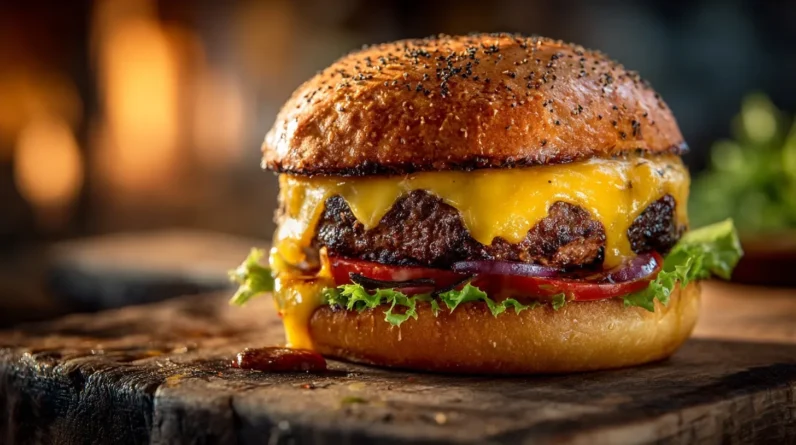



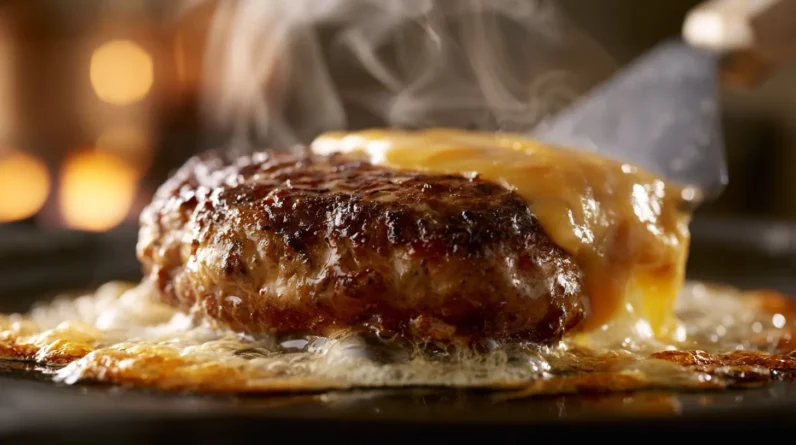
A truly juicy beef burger starts with an 80/20 fat ratio — fat is what delivers moisture and flavor. We keep the beef cold, handle it minimally, and salt only the exterior right before cooking. A preheated cast iron at 450–500°F gives us that perfect sear. We flip once, never press down, and rest the patty for 3–4 minutes after cooking. Master each of these steps, and everything about your burger changes.
Why Fat Content Makes or Breaks Your Burger
When it comes to crafting a truly juicy burger, fat content isn’t just a preference — it’s the defining variable. We recommend working with fat ratios between 20–30%, where the 80/20 ground chuck blend remains the gold standard. Fat renders during cooking, basting the meat internally while simultaneously developing complex flavor profiles that lean blends simply can’t replicate.
Drop below 15% fat, and you’re grinding toward dry, dense patties regardless of technique. Exceed 30%, and structural integrity suffers — patties shrink aggressively and cook unevenly. Understanding fat ratios isn’t about indulgence; it’s about chemistry. Fat carries fat-soluble flavor compounds, contributes moisture retention, and creates that essential crust during searing. Master the fat, and you’ve mastered the burger’s foundation.
How to Handle Ground Beef Without Ruining the Texture
Once fat content is locked in, how we handle the ground beef determines whether that foundation translates into a tender, juicy patty or a dense, overworked puck. Proper ground beef storage matters here — keep it cold, ideally below 38°F, until the moment we work it. Warm fat smears rather than distributes, collapsing the texture we’ve carefully built.
When it comes to blending techniques, restraint is everything. We mix just until ingredients incorporate — overworking develops myosin proteins, binding the meat into a rubbery mass. Use fingertips, not palms. Fold, don’t compress. Form patties with minimal pressure, pressing a shallow dimple at the center to counter the natural puffing during cooking. Precision at this stage separates competent burgers from exceptional ones.
The Right Way to Season and Shape Your Patty
Seasoning comes down to one non-negotiable rule: salt the exterior only, and do it right before the patty hits the heat. Salting early draws out moisture and tightens proteins, compromising the texture we’ve worked to preserve. Beyond salt, seasoning options remain intentionally minimal — cracked black pepper is acceptable; anything else risks masking the beef’s inherent character.
For patty formation, we work cold meat quickly. Press the portion into a disc roughly three-quarters of an inch thick, then create a shallow thumb indentation at the center. This counters the patty’s natural tendency to dome during cooking. Apply firm, deliberate pressure at the edges to prevent crumbling, but never overwork the interior. Density kills juiciness — handle with precision, not force.
Heat, Timing, and Why You Should Never Press Down
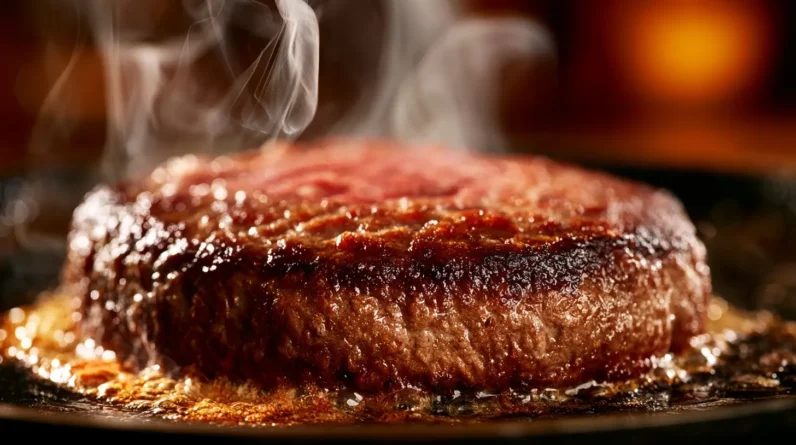
The cooking surface is everything. We want our grill or cast iron screaming hot before the patty makes contact — that means cooking temperatures around 450–500°F. This sear locks in moisture instantly, building a crust that contains every drop of rendered fat.
Timing follows a strict rule: two to three minutes per side, untouched. Resist the urge to move the patty prematurely. Flip only once.
And never press down. That spatula squeeze forces the juices you’ve carefully preserved directly onto the coals or pan, leaving you with a dry, dense result. The sizzle feels satisfying — it isn’t. It’s loss.
Our grilling techniques demand discipline. Heat, patience, and restraint separate a merely cooked burger from one that’s genuinely exceptional.
How to Rest Your Burger for Maximum Juiciness
After pulling the patty from the heat, we’re not done yet — resting is where everything we’ve built comes together. Resting techniques aren’t optional; they’re essential. Muscle fibers relax, and redistributed juices settle back into the meat rather than flooding the cutting surface.
| Rest Time | Result |
|---|---|
| 0 seconds | Juices lost immediately |
| 2 minutes | Partial retention |
| 3–4 minutes | Maximum juiciness achieved |
Target a prime temperature window of 130–140°F internal during rest. Tent the patty loosely with foil to retain heat without steaming the crust. Don’t skip this step chasing speed — those extra minutes separate an adequate burger from a masterfully executed one. Patience here is the final, non-negotiable technique.
Frequently Asked Questions
What Type of Bun Best Complements a Juicy Beef Burger?
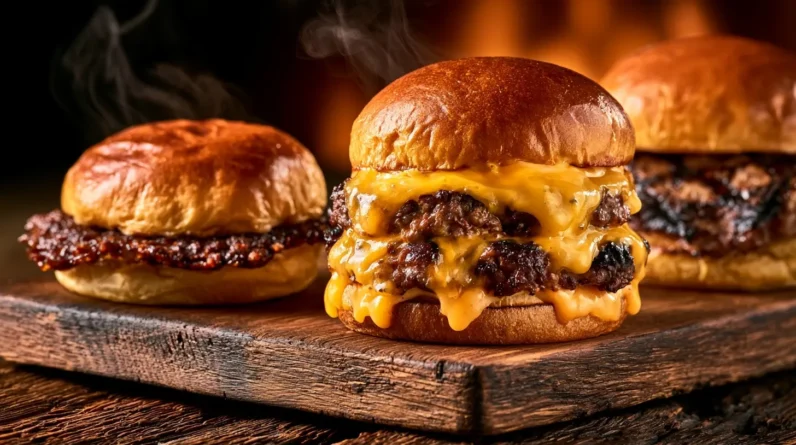
We recommend brioche for its brioche benefits—rich butter content absorbs juices beautifully without disintegrating. If you’re health-conscious, whole wheat offers sturdy structure, though it’s slightly denser, complementing bold, fatty beef profiles masterfully.
Should Cheese Be Added Before or After Removing From Heat?
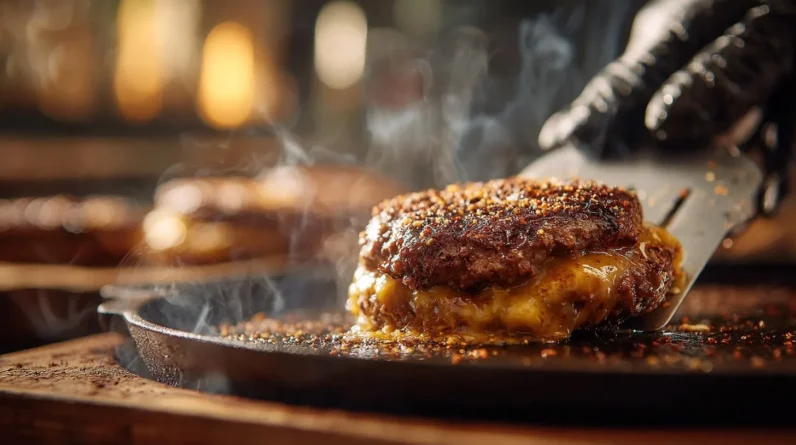
We recommend adding cheese during the final minute on heat, allowing ideal cheese melting that integrates seamlessly with burger textures. Covering briefly traps steam, ensuring a perfectly cohesive, glossy melt before you pull it off.
Can Frozen Ground Beef Produce the Same Juicy Results?
Frozen ground beef can achieve juicy results, but only if we prioritize ground beef quality before freezing and employ proper thawing methods—refrigerator overnight thawing preserves moisture retention, ensuring we don’t compromise our burger’s integrity.
What Condiments Pair Best Without Overpowering the Beef Flavor?
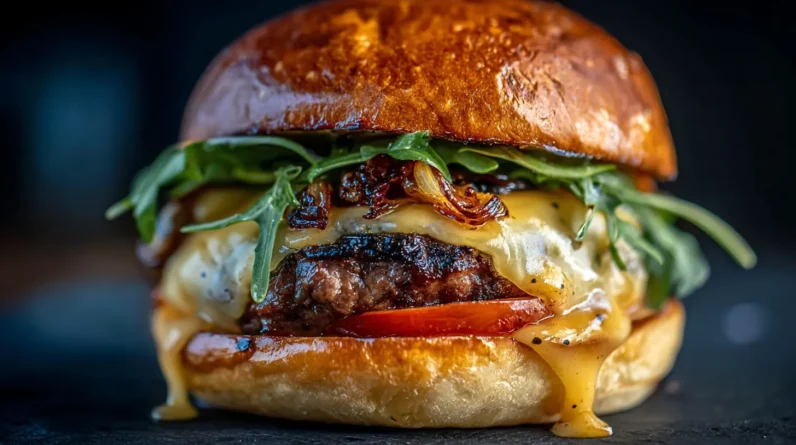
73% of burger enthusiasts prefer mustard and caramelized onions for ideal flavor balance. We recommend embracing condiment variety strategically—mustard, aioli, or horseradish complement beef’s richness without overwhelming it, preserving that prized, savory depth we’ve worked hard to achieve.
Does the Cooking Surface Material Affect Burger Juiciness Significantly?
Yes, it does. We recommend cast iron for superior heat retention, as it supports precise cooking temperatures and grilling techniques that seal juices efficiently, outperforming thinner surfaces that create uneven searing and moisture loss.
Conclusion
We’ve covered the full anatomy of a great burger—from fat ratios to the final rest. Every step compounds on the last, and skipping even one unravels the whole chain. We don’t need fancy equipment or exotic ingredients; we need discipline and technique. Follow these principles consistently, and you’ll never serve a dry, lackluster patty again. The perfect burger isn’t luck—it’s a repeatable science we’ve now handed you.