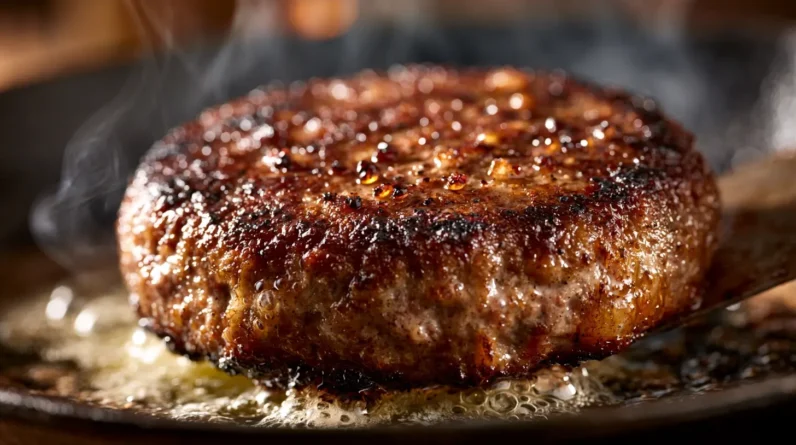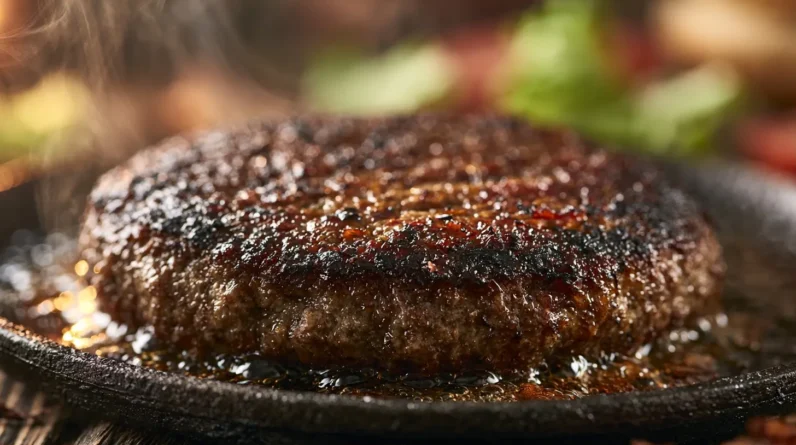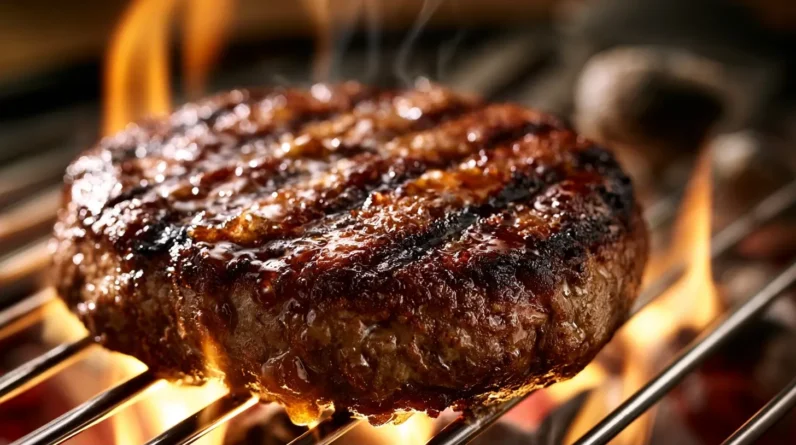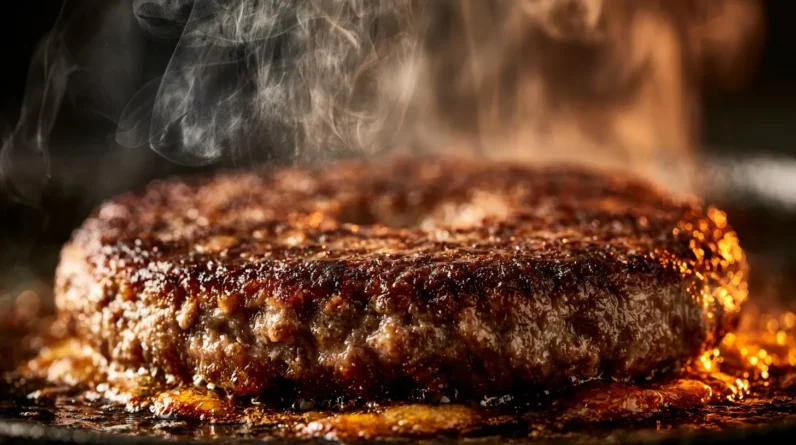



Most home cooks don’t realize that small, specific decisions determine everything about a burger’s outcome. We’re talking about fat ratios, handling pressure, surface temperature, and patty thickness — details that work together as a system. Using 80/20 chuck, keeping meat cold, seasoning at the last second, and preheating your surface to 450°F aren’t suggestions — they’re the actual mechanics of a great burger. Stick with us, and we’ll break down exactly how each technique delivers results.
Why Your Ground Beef Choice Makes or Breaks the Burger
When it comes to beef burgers, three factors in your ground beef selection determine everything: fat content, grind coarseness, and cut origin. Understanding ground beef types isn’t optional — it’s foundational. We recommend an 80/20 lean-to-fat ratio as your baseline. That 20% fat content delivers the moisture, flavor, and structural integrity that leaner blends simply can’t replicate during high-heat cooking. Chuck is your most reliable cut origin, offering a balanced fat distribution and robust beefy flavor. Sirloin runs leaner, producing a firmer, drier patty. Brisket blends introduce richness but require careful handling. Coarser grinds retain texture and juice better than fine grinds, which compress under heat. Master these variables first, and every technique that follows becomes exponentially more effective.
Stop Overworking the Meat Before It Hits the Grill
Most home cooks destroy their burgers before the grill ever gets involved. The culprit is aggressive meat handling. When we overwork ground beef, we’re compressing and tangling the muscle fibers, creating a dense, rubbery puck instead of a tender patty. The fat also smears into the protein matrix, robbing us of those essential pockets that deliver juiciness and flavor.
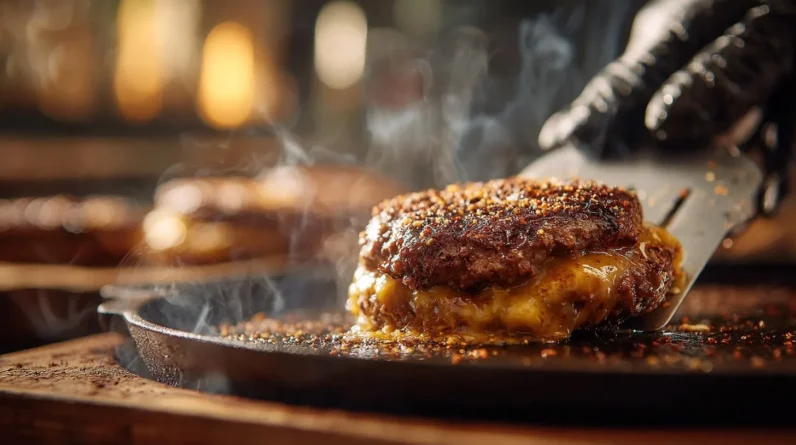
Here’s our rule: handle the meat as little as possible. Combine your seasoning quickly, form the patty with light pressure, and stop there. We’re not making meatballs. A loosely packed burger with a gentle thumbprint depression in the center cooks evenly and stays intact. Minimal contact equals maximum tenderness. Respect the muscle fibers, and they’ll reward you with every bite.
The Temperature Secrets Most Home Cooks Never Use
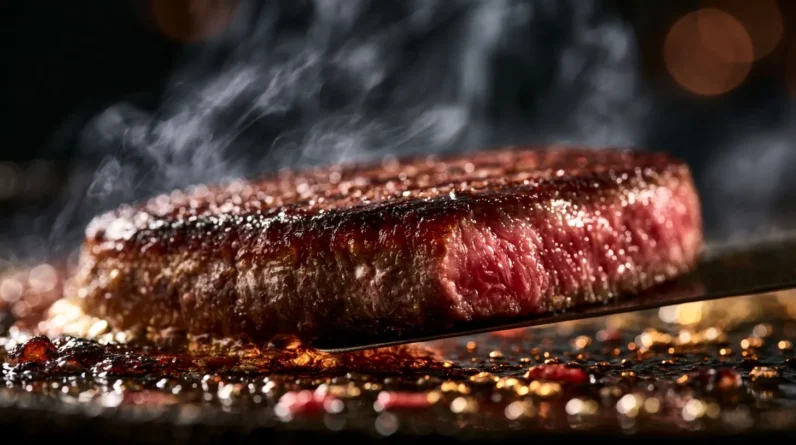
Temperature control separates competent burger cooking from truly exceptional results, and we’re not just talking about grill heat. Start with cold meat—refrigerator temperature keeps fat solid, preventing premature rendering during formation. Your grill or cast iron should hit 450-500°F before the patty touches the surface. This immediate high heat creates the Maillard reaction that builds your crust.
For doneness, we target precise internal readings: 135°F for medium-rare, 160°F for well-done. The ideal temperature for resting sits at room temperature, covered loosely, for three minutes minimum. During rest time, carryover cooking raises internal temperature another 5°F while redistributing juices throughout the patty. Skip this step and you’ll sacrifice everything you’ve built. A thermometer isn’t optional equipment—it’s fundamental.
Build Your Patty the Right Way for Maximum Juiciness
Three decisions made before the patty hits heat determine juiciness more than anything that happens afterward: fat ratio, handling technique, and thickness. We recommend 80/20 ground chuck — fat renders during cooking, basting the meat internally. Handle the mixture minimally; overworking develops tough myosin bonds that squeeze moisture out under heat.
Patty thickness should land at ¾ inch. Thinner patties lose moisture too quickly across high heat; thicker ones require longer cook times that dry the exterior before the center finishes. Press a shallow thumbprint into the center to counteract the puffing effect during cooking.
Seasoning balance matters at the surface only — salt draws moisture outward, so season immediately before cooking, never during forming. Interior seasoning creates texture problems and uneven moisture distribution.
Top Your Burger Like You Actually Mean It
Toppings aren’t decoration — they’re structural and flavor components that interact directly with the patty, bun, and each other. Layering flavors requires intentional sequencing: fat-based elements buffer acidity, while crunch contrasts soft textures. Essential toppings earn their place through functional contribution, not habit.
| Topping | Function |
|---|---|
| Sharp cheddar | Fat delivery, umami amplifier |
| Pickles | Acid cut, textural contrast |
| Caramelized onion | Sweetness, moisture addition |
| Shredded lettuce | Crunch, thermal insulation |
| Dijonnaise | Fat-acid emulsion, binding agent |
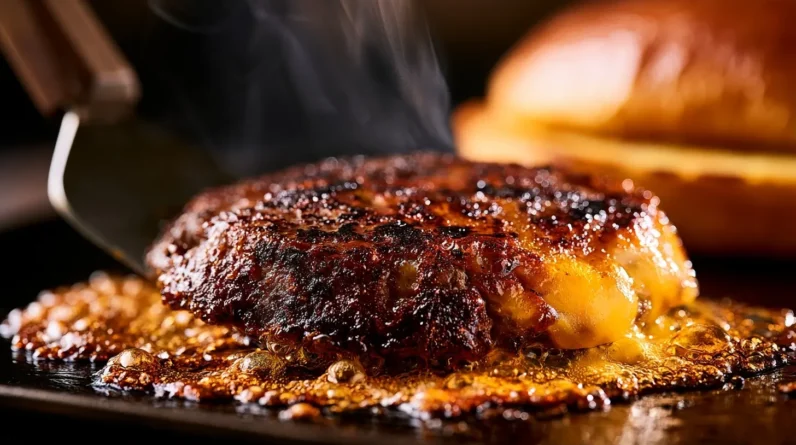
Place cheese directly on the patty while it’s still hot. Stack acid components above fat-based ones. We build toppings with the same discipline we apply to the patty itself.
Frequently Asked Questions
Can I Make Burger Patties Ahead of Time and Freeze Them?
Yes, we recommend burger patty preparation in advance—freeze them between parchment paper for up to three months. We prefer overnight refrigerator thawing methods to maintain moisture integrity and guarantee even cooking throughout the patty.
What Type of Bun Best Complements a Juicy Beef Burger?
We recommend brioche for最高 flavor pairing with juicy beef burgers. Its buttery richness complements bold beef flavors without overpowering them. Among bun types, brioche’s slight sweetness and sturdy crumb structure absorb juices while maintaining structural integrity throughout every bite.
How Do I Prevent My Burger From Sticking to the Grill?
Perfectly prepped grates prevent sticking — we’ll master this! Clean, oil your grill using our essential grill preparation tips, then let burgers sear undisturbed. Apply burger flipping techniques only once, ensuring a flawless, non-stick crust every time.
Should I Use a Cast Iron Skillet Instead of an Outdoor Grill?
We recommend cast iron benefits for indoor grilling—it retains heat evenly, creating a superior sear. We’ll achieve consistent Maillard reaction control that an outdoor grill can’t always guarantee, giving us precise crust development every time.
What Internal Temperature Means My Burger Is Fully Cooked?
We recommend reaching 160°F for fully cooked beef burgers. This temperature guarantees safe doneness levels while maintaining ideal meat texture—juicy but firm. Use an instant-read thermometer inserted sideways into the patty’s center for precise results.
Conclusion
We’ve handed you the burger secrets that professional pitmasters guard like classified government intelligence. Master your fat ratios, resist annihilating your meat with aggressive handling, weaponize precise temperature control, engineer that critical thumb-divot, and stack toppings with deliberate architectural intention. Execute these five techniques flawlessly, and we guarantee you’ll produce burgers so transcendently perfect that every backyard cookout you’ve ever attended before this moment will feel like an absolute culinary catastrophe by comparison.