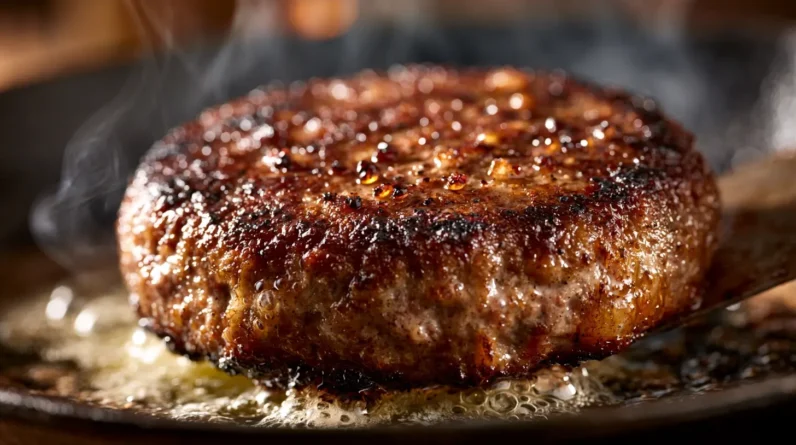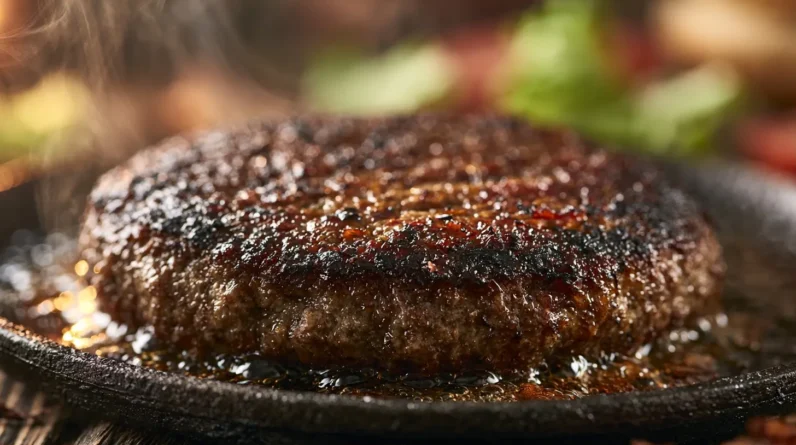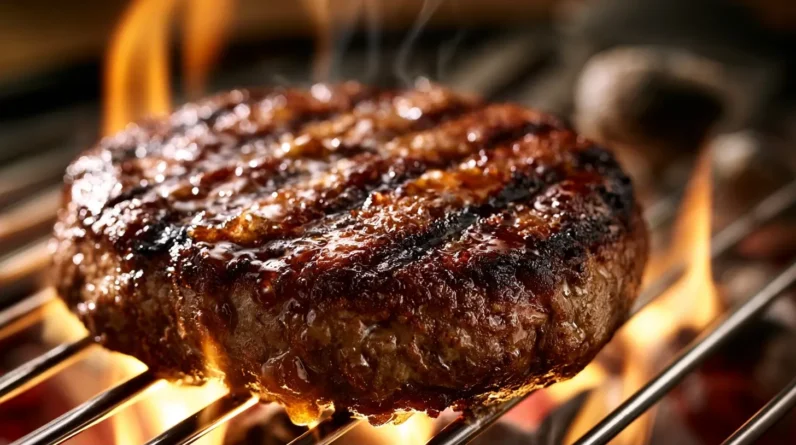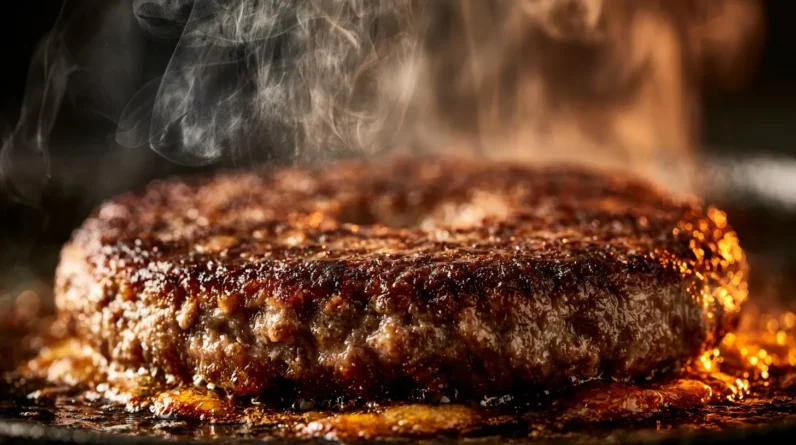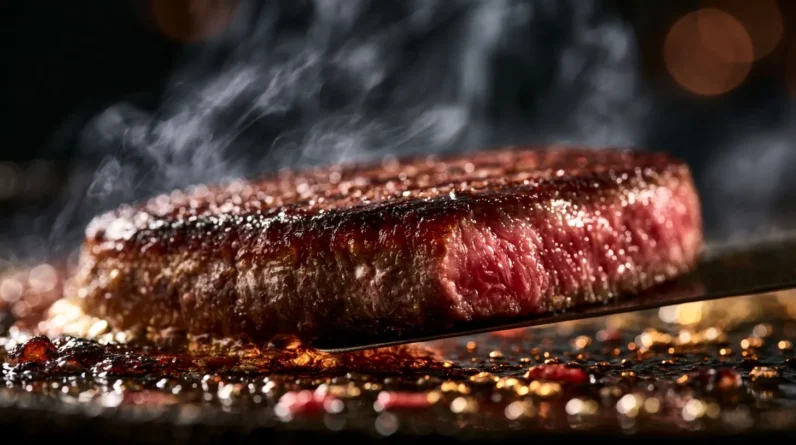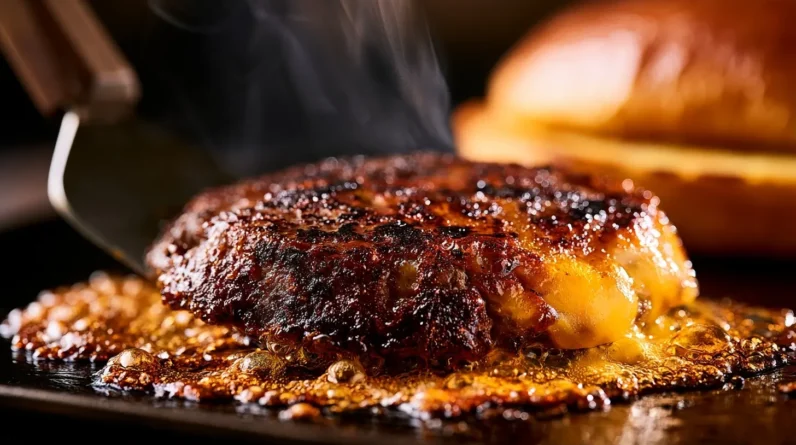



To make your beef burger unforgettable, we start with an 80/20 lean-to-fat ratio using chuck, brisket, or short rib. We season boldly with kosher salt and cracked pepper on the exterior only — never mixed in. We sear on a screaming-hot cast iron, flip once, and let it rest. Strategic toppings, the right bun, and deliberate assembly complete the build. Every technique below sharpens exactly how we get there.
Start With the Right Beef-to-Fat Ratio
When it comes to crafting a great beef burger, fat content is non-negotiable. We recommend targeting an 80/20 lean-to-fat ratio — it’s the sweet spot that delivers moisture, richness, and structural integrity under high heat.
Ideal cuts for grinding include chuck, brisket, and short rib. Chuck provides a balanced flavor profile with sufficient marbling, while brisket adds buttery depth. Short rib introduces an intensely beefy, unctuous quality that elevates the final product considerably.
Avoid leaner blends like 90/10. They’ll produce a drier, denser patty that no amount of technique can fully rescue. Fat isn’t the enemy — it’s the vehicle for flavor. Choose your ratio deliberately, select your ideal cuts strategically, and your burger’s foundation becomes unshakeable before it ever hits the grill.
Season Your Burger Patty Like You Mean It
Seasoning a burger patty isn’t complicated, but most home cooks get it wrong by either under-seasoning or mixing salt directly into the grind. Both mistakes cost you texture and flavor. Salt draws out moisture and tightens proteins — mix it in, and you’ll end up with a dense, sausage-like patty instead of a tender burger.
Our burger seasoning techniques are straightforward: apply kosher salt and freshly cracked black pepper generously to the exterior of each patty just before it hits the heat. That’s your foundation. For flavor enhancement tips that go further, consider garlic powder, smoked paprika, or Worcestershire sauce pressed lightly onto the surface. Season boldly — the grill and the fat will temper everything. Don’t be timid here.
Master the Sear for a Better Beef Burger
Once your patty is seasoned and ready, the sear is where flavor is actually built. Precise burger cooking technique separates average results from extraordinary ones.
- Preheat your cast iron or stainless pan until it’s smoking — surface temperature matters enormously.
- Press the patty firmly onto the surface and don’t touch it for 3–4 minutes — resist every urge.
- Flip once, never repeatedly — each flip costs you irreplaceable crust development.
- Commit to meat resting for 2–3 minutes post-cook — carryover heat finishes the job perfectly.
That crust isn’t cosmetic — it’s the Maillard reaction delivering complex, irreplaceable flavor compounds your taste buds will recognize immediately. Master the sear, master the burger.
The Toppings and Sauces That Elevate Every Bite
Toppings and sauces aren’t afterthoughts — they’re structural and flavor components that complete the burger’s architecture. We layer with intention, balancing textures, temperatures, and intensities. Sharp cheddar melted directly onto the patty creates cohesion. Caramelized onions add sweetness that counters beef’s richness. Creative toppings — charred jalapeños, pickled red onions, crispy shallots — introduce acidity, heat, and crunch that prevent palate fatigue.
Sauces anchor flavor combinations and must be applied strategically. Aioli on the crown bun, mustard on the heel. This separation prevents sogginess and guarantees every bite delivers both. We avoid overloading — three to five toppings maximum maintains structural integrity and flavor clarity. Restraint isn’t limitation; it’s precision. The strongest burgers express a clear, deliberate flavor narrative from first bite to last.
Build Your Burger in the Right Order
Assembly sequence determines whether a burger holds together or collapses into a structural mess mid-bite. Mastering burger assembly techniques starts with ideal bun selection — a sturdy brioche or potato roll that won’t disintegrate under moisture pressure.
Follow this proven build order:
- Toast and sauce the bottom bun first — creates a moisture barrier that prevents sogginess.
- Layer crisp vegetables directly on the sauced bun — stabilizes the protein above.
- Place the patty on the vegetable base — weight distribution stays centered.
- Stack cheese, then remaining toppings, then the top bun — keeps structural integrity through every bite.
We eat with anticipation before we eat with our mouths. Build it right, and that first bite delivers exactly what you promised.
Frequently Asked Questions
What Is the Safest Internal Temperature for a Fully Cooked Beef Burger?
For food safety, we recommend cooking your beef burger to an internal temperature of 160°F (71°C). Use our temperature guide and a reliable meat thermometer to verify it’s fully and safely cooked.
Can I Prepare and Freeze Burger Patties in Advance Without Losing Quality?
Hit the ground running — we’ll freeze patties individually using vacuum-seal freezing methods, preserving their flavor preservation for up to three months without sacrificing quality, texture, or moisture when properly thawed before cooking.
What Type of Bun Works Best for Holding a Juicy Beef Burger?
We recommend brioche or pretzel buns as perfect pairings for juicy beef burgers. Among bun types, these absorb moisture without disintegrating, their dense crumb structure maintaining integrity under heavy, sauced patties while complementing rich beef flavors beautifully.
How Long Should a Burger Patty Rest Before Serving?
We recommend a patty resting period of three to five minutes post-cooking. This allows juices to redistribute throughout the meat, ensuring ideal flavor enhancement and a more cohesive, satisfying bite every time.
Should I Oil the Pan or Grill Before Cooking My Burger Patty?
For pan vs grill, we recommend skipping the oil. A well-seasoned cast iron or grill grates don’t need it. If you must, use high smoke-point oil types like avocado or grapeseed sparingly.
Conclusion
We’ve covered the science and craft behind every layer of a great beef burger — and here’s the funny thing: once you start applying these techniques, you’ll notice your burgers naturally come together faster each time, as if the process itself rewards the practice. Fat ratios, seasoning, sear temperatures, toppings, and build order aren’t isolated steps — they’re a system. Master them collectively, and every burger you make becomes something worth remembering.