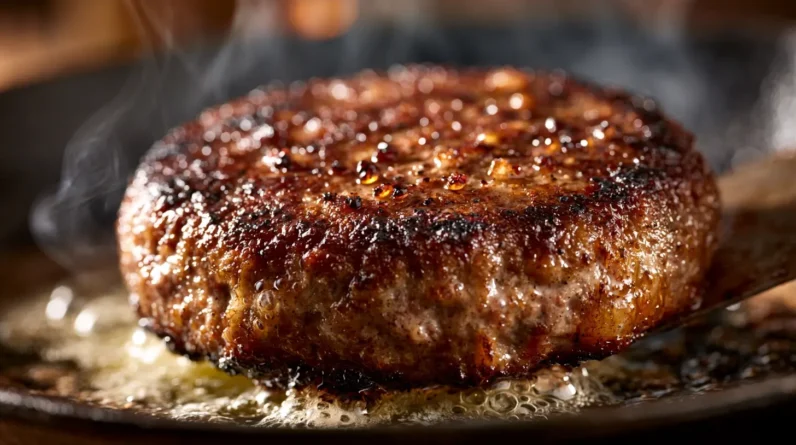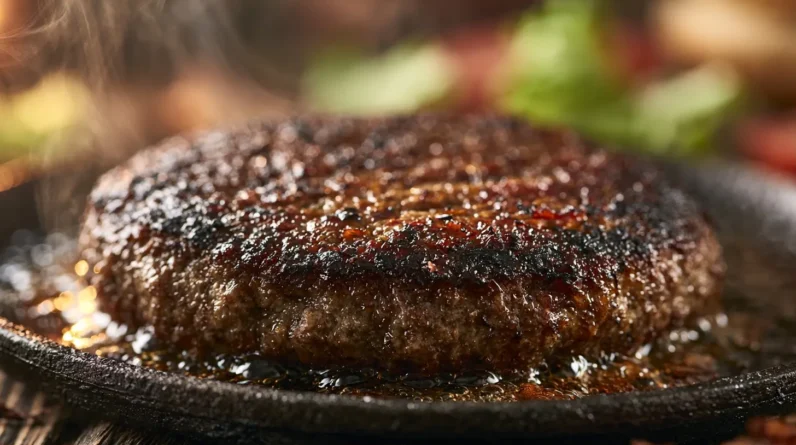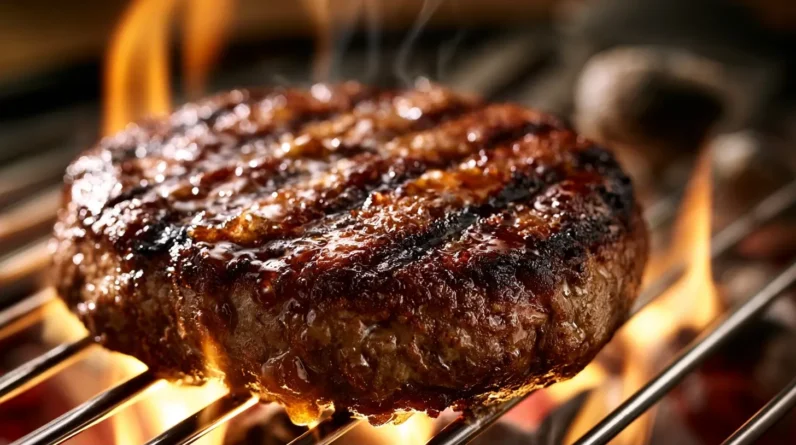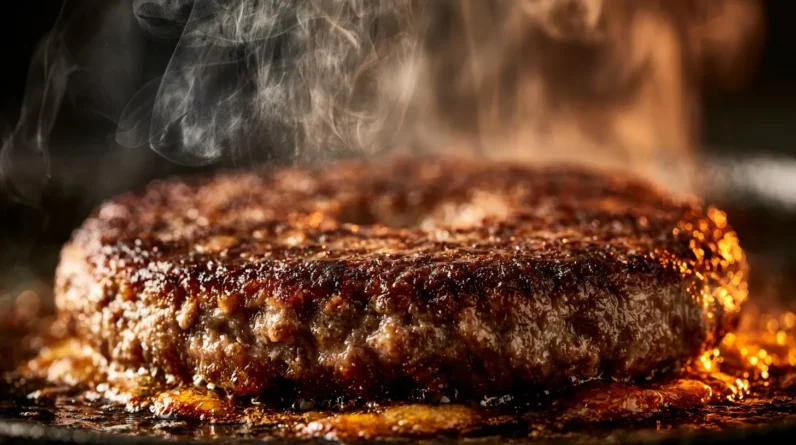



To make a beef burger that actually delivers, we start with an 80/20 chuck blend, freshly ground for consistency. We season the exterior with kosher salt and coarse black pepper right before cooking, then sear at 400°F–450°F without pressing the patty. Assembly order matters — condiments first, patty second, crisp toppings last. Nail the right cheese, acid, fat, and crunch, and everything clicks. There’s far more precision behind each step worth exploring.
Choose the Right Beef Blend for a Juicy Burger
When it comes to crafting a juicy burger, the fat content of your beef blend is the single most important variable. We recommend targeting an 80/20 lean-to-fat ratio — it’s the sweet spot that delivers moisture, flavor, and structural integrity under high heat. Drop below 85/15, and you’re trading juiciness for dryness.
Protein quality matters equally. We prioritize chuck over sirloin for grinding because its connective tissue breaks down into gelatin during cooking, binding the patty while enriching mouthfeel. Brisket adds depth; short rib contributes richness.
Avoid pre-ground commercial blends — they’re inconsistent in fat distribution and protein composition. Grind your own or source from a butcher who grinds fresh daily. Precision at this stage determines everything downstream.
Season Your Patty the Right Way
Seasoning a burger patty demands restraint and timing. Over-seasoning or mixing salt into the meat tightens proteins, producing a dense, meatball-like texture. Instead, we apply seasoning types strategically and respect patty thickness when doing so.
- Salt and pepper only — kosher salt and coarse black pepper are non-negotiable fundamentals.
- Season the exterior — never incorporate salt into the grind; coat surfaces immediately before cooking.
- Scale seasoning to patty thickness — thicker patties require heavier surface seasoning for flavor penetration.
- Add aromatics separately — garlic powder or smoked paprika complement without overwhelming the beef’s natural profile.
We season right before the patty hits heat. Any earlier, and salt draws out moisture, compromising the crust we’re working to build.
Get Your Cooking Method and Heat Right
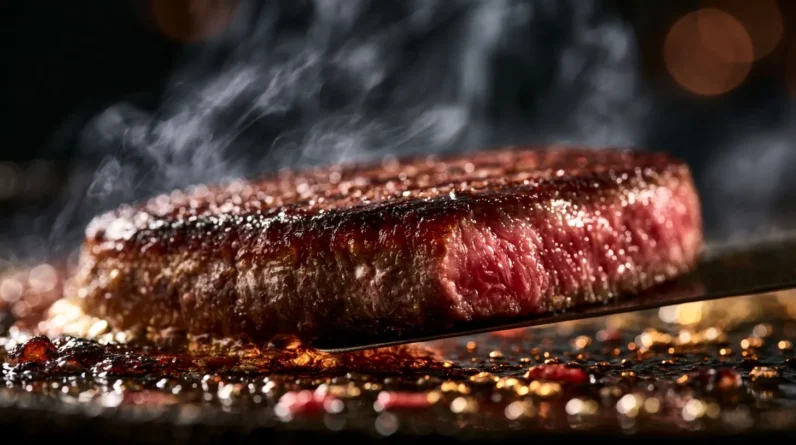
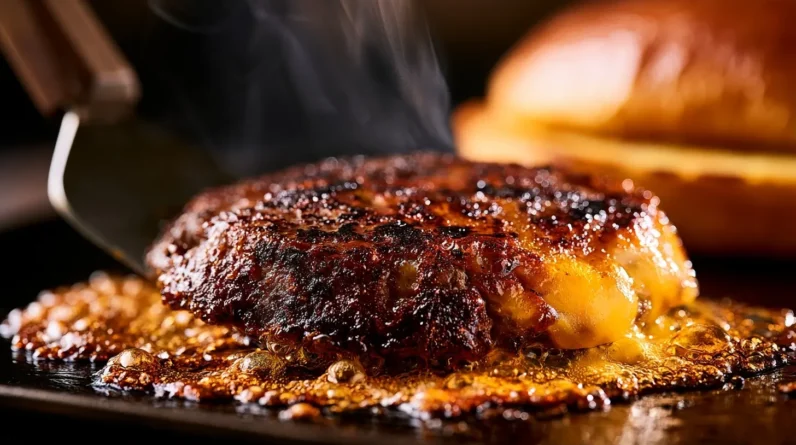
With seasoning locked in, heat becomes our next variable to control — and it’s where most burgers are won or lost. Across grill types — cast iron, charcoal, or gas — we’re targeting a searing surface temperature between 400°F and 450°F. Lower than that, and we’re steaming instead of searing.
Cooking times depend on thickness and doneness target. A standard ¾-inch patty needs roughly 3–4 minutes per side for medium. Resist pressing it down — that evacuates moisture we’ve worked to retain.
For charcoal grills, establish two heat zones: sear over direct heat, then finish over indirect if needed. Gas grills offer faster control but less thermal mass. Cast iron delivers consistent contact heat, ideal for smash-style applications. Match the method to the burger you’re building.
Build Your Burger in the Right Order
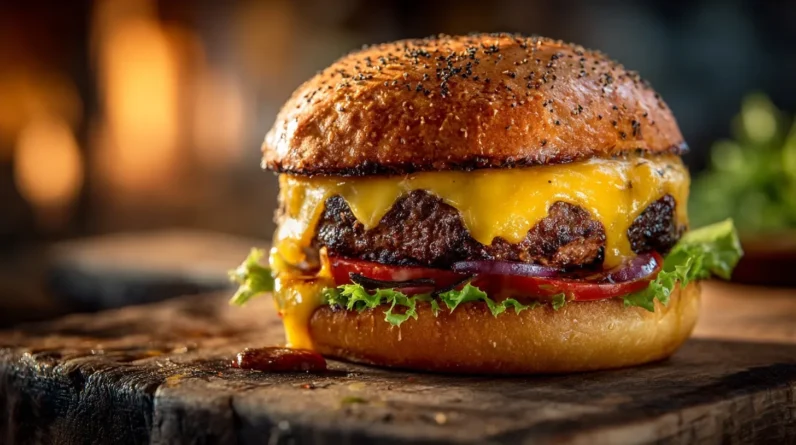
Every component we layer into a burger affects the structural integrity, flavor balance, and eating experience — so sequence matters. Master burger assembly by building intentional flavor layers from the bottom up.
- Bottom bun — Apply condiments directly to the bun to prevent sogginess transfer onto the patty.
- Patty — Place it second so residual heat melts cheese and warms adjacent toppings.
- Toppings — Layer crisp vegetables above the patty to preserve their texture against heat.
- Top bun — Spread fat-based sauces here; they create a moisture barrier while adding richness.
This sequence keeps structural integrity intact, distributes flavor layers evenly throughout every bite, and guarantees nothing slides or compresses prematurely during handling.
The Toppings That Elevate a Beef Burger
Four toppings consistently separate a forgettable burger from a truly great one: cheese, acid, fat, and crunch. We’re targeting balance across all four, not excess in any single category.
Choose creative cheeses like aged cheddar, gruyère, or pepper jack — each melts differently and contributes distinct flavor profiles. For acid, unique pickles outperform standard dill chips; try bread-and-butter, kimchi, or quick-pickled red onion. Fat comes through flavorful sauces — aioli, smash sauce, or a sharp dijonnaise cut richness without competing with the beef. Fresh greens like arugula or butter lettuce add mild bitterness and structural texture that iceberg can’t deliver.
Stack deliberately: sauce on both bun surfaces, cheese directly on the patty, greens last to stay crisp. Every element earns its place.
Frequently Asked Questions
How Long Can Raw Burger Patties Be Safely Stored in the Refrigerator?
We recommend storing raw burger patties no longer than 1-2 days in the refrigerator. For ideal refrigerator safety, we’ll keep raw meat storage temperatures at or below 40°F to prevent bacterial growth.
Can Frozen Beef Patties Ever Match the Quality of Fresh Ones?
Though many dismiss them outright, frozen beef patties can rival fresh ones when flash-frozen immediately post-grind. The frozen flavor stays intact, but texture comparison reveals slight moisture loss—manageable with proper thawing techniques we’ll cover.
What Is the Safest Internal Temperature for a Cooked Beef Burger?
We recommend you cook your beef burger to an internal temperature of 160°F (71°C). It’s the critical threshold for beef safety, eliminating harmful pathogens like E. coli and ensuring you’ve achieved a fully safe burger.
How Do You Prevent a Burger Bun From Becoming Soggy Too Quickly?
Studies show 70% of soggy buns result from moisture transfer. We’ll combat this through strategic toast preparation—lightly grilling both bun halves creates a moisture barrier. Master bun layering techniques by placing condiments between proteins and vegetables, never directly touching the bread.
Are There Allergy-Friendly Alternatives to Traditional Beef Burger Buns?
We recommend gluten free options like rice flour or tapioca buns, and grain free alternatives such as lettuce wraps or portobello mushroom caps—they’ll satisfy dietary restrictions without compromising your burger’s structural integrity or flavor profile.
Conclusion
We’ve covered everything you need to craft a burger that delivers on its promise—from selecting the right fat ratio to layering toppings with intention. Like a well-tuned engine, every component must work together precisely for the result to perform. Don’t rush the process, don’t skip the rest time, and don’t underestimate seasoning. Follow these techniques consistently, and you’ll produce a beef burger that genuinely earns its reputation every single time.