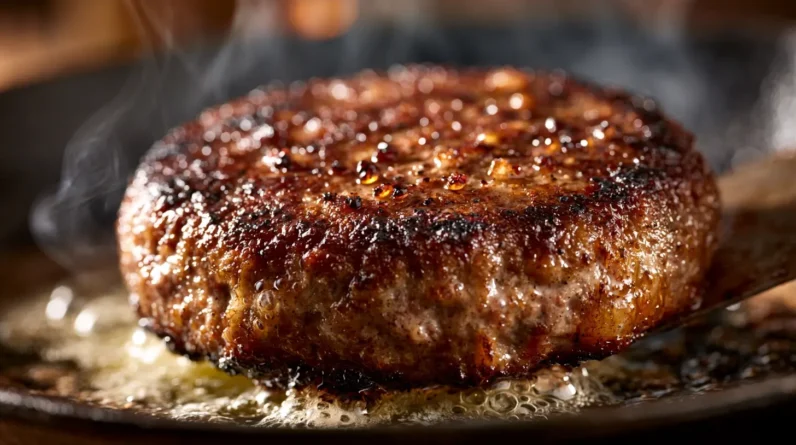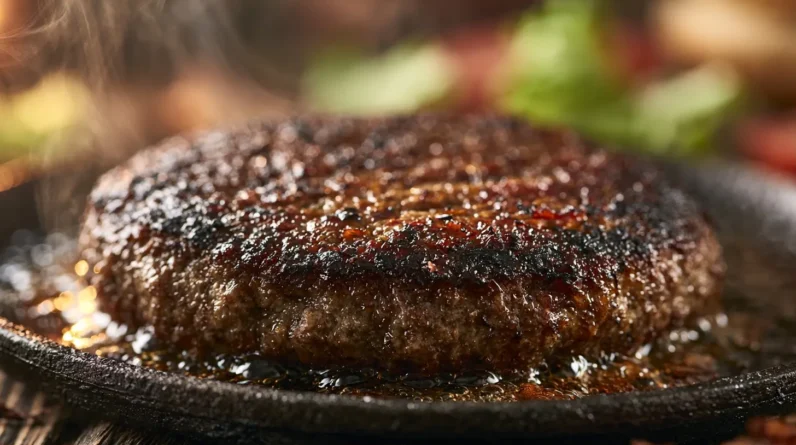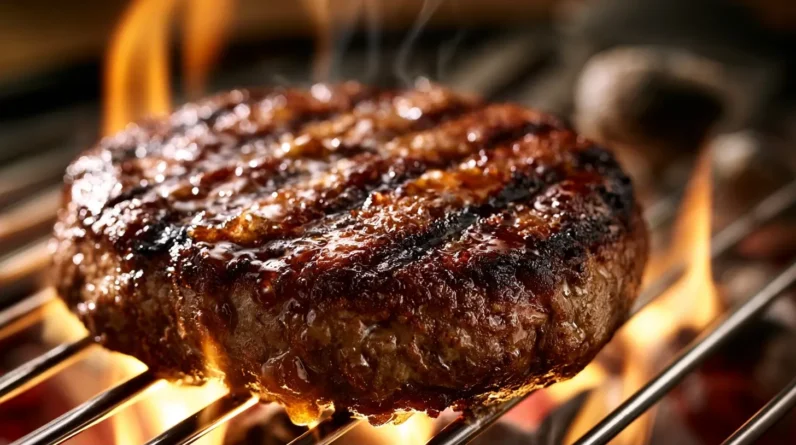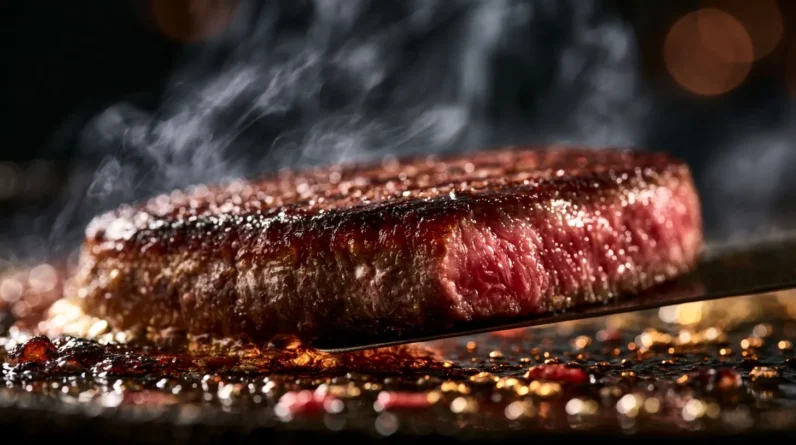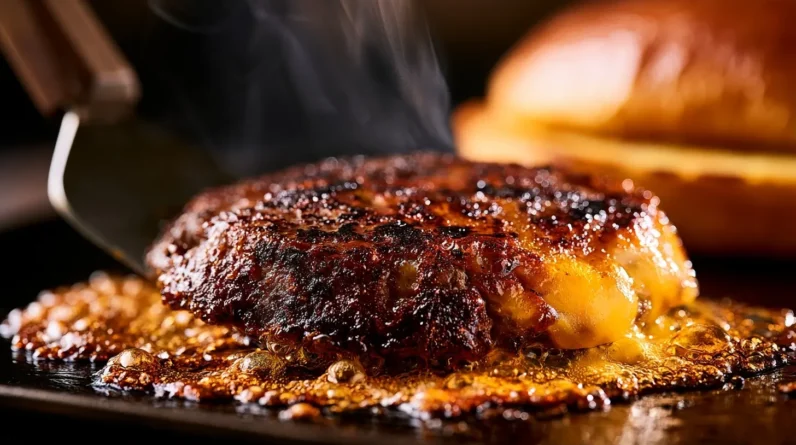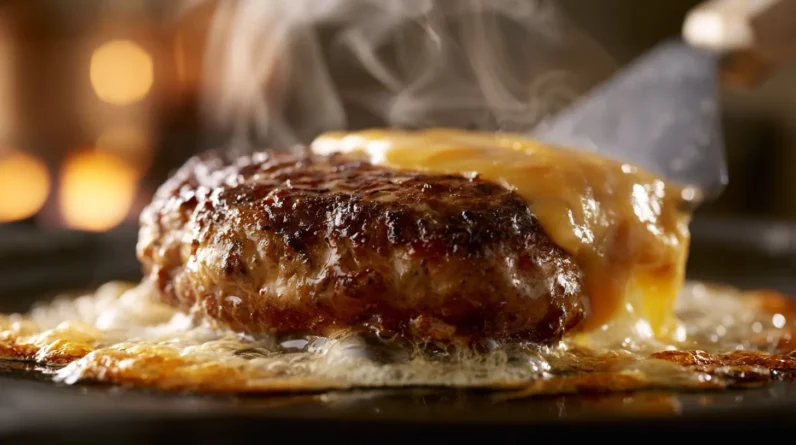



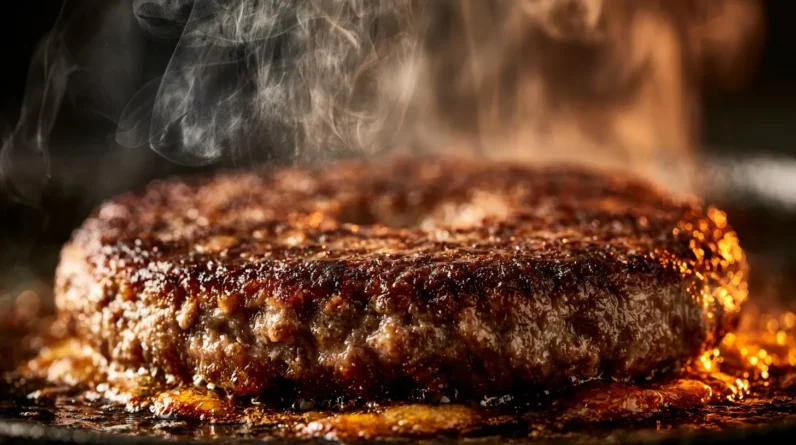
The secret technique pros never skip is smashing loosely packed 80/20 ground beef against a screaming-hot cast iron or flat-top surface. This maximizes the Maillard reaction, building a deep, caramelized crust most homemade burgers never achieve. Fresh-ground chuck, minimal handling, and precise heat control make all the difference between a mediocre patty and something extraordinary. Stick with us, and we’ll show you exactly how to execute this from start to finish.
What the Secret Beef Burger Technique Actually Is
The secret beef burger technique is smashing — pressing a loosely packed ball of ground beef firmly against a hot cooking surface to maximize the Maillard reaction. This aggressive contact accelerates crust formation, locking in fat and amplifying burger flavor through rapid caramelization of proteins and sugars. We’re not flattening a patty arbitrarily; we’re engineering surface area for ideal browning.
Meat sourcing matters enormously here. An 80/20 lean-to-fat ratio delivers the fat necessary for a rich, lacquered crust when smashed. Leaner blends yield dry, underwhelming results. We recommend freshly ground chuck from a trusted butcher — pre-packaged grinds often lack the fat distribution this technique demands. Smashing isn’t a shortcut; it’s a precision method that rewards quality ingredients with extraordinary results.
Why Most Homemade Burgers Fall Flat
Most homemade burgers fail before they ever hit the pan. The problems compound quickly: poor ingredient quality undermines burger flavor from the start, inconsistent patty thickness causes uneven cooking, and careless seasoning balance strips the meat of its natural depth. We see home cooks rush the process, applying the wrong cooking method — often low grill temperature — which steams rather than sears the patty. That critical Maillard crust never forms. Instead of developing rich, complex flavor, the burger turns gray and dense. We’ve identified these failure points precisely because mastering them requires deliberate control at every stage. Ingredient selection, structural consistency, seasoning timing, and heat management aren’t suggestions — they’re the technical foundation everything else depends on.
How to Master the Technique Step by Step
Mastering a beef burger means executing each stage with deliberate control, so we’ll break the process down into discrete steps where precision matters most.
Start with cold, 80/20 ground beef. During patty formation, handle the meat minimally — overworking develops toughness by binding proteins prematurely. Press a shallow indent into each patty’s center to counteract puffing during cooking.
Seasoning balance demands restraint and timing. Apply kosher salt and cracked pepper only to the exterior surfaces immediately before cooking — never into the mix. Interior seasoning draws out moisture, compromising texture.
Cook on a ripping-hot cast iron or flat-top griddle. Sear undisturbed for three minutes, flip once, then add cheese immediately. Rest briefly before serving. Each decision compounds — skip none.
Common Mistakes That Ruin the Results
Even small missteps in burger preparation cascade into compromised results, and we see the same errors surface repeatedly. Overcooking patties destroys moisture and collapses the fat structure we’ve carefully developed. Inadequate seasoning—particularly under-salting before forming patties—leaves flavor flat and one-dimensional regardless of meat quality. Speaking of which, poor meat quality is non-negotiable; using lean, low-grade ground beef eliminates the fat content essential for juiciness and crust development. Incorrect grilling compounds every prior mistake: insufficient heat prevents the Maillard reaction, while excessive flipping disrupts crust formation. We also see buns and toppings assembled carelessly, undermining the structured build we’ve outlined. Eliminating these specific errors isn’t optional—it’s the foundation separating competent burgers from exceptional ones.
Pro Tips to Take Your Burger Even Further
Once we’ve eliminated the errors that compromise results, we can shift focus toward the refinements that separate a good burger from a genuinely memorable one. Compound butters, aged cheeses, and caramelized aromatics function as powerful flavor enhancements that layer complexity without overwhelming the beef’s natural character. We recommend resting smashed garlic butter directly on the patty during the final minute of cooking, allowing it to melt into the crust. For gourmet toppings, prioritize textural contrast — crispy shallots against silky aioli, or pickled components against rich fat. Every element should serve a deliberate purpose. We also advocate for toasting buns in rendered beef fat rather than butter, reinforcing the burger’s core flavor profile from crust to center.
Frequently Asked Questions
What Is the Best Beef Fat Percentage for a Juicy Burger Patty?
We recommend an 80/20 lean-to-fat ratio for ideal fat ratios that deliver superior juicy characteristics. That 20% fat content renders beautifully under heat, basting the patty internally and producing an undeniably succulent, flavorful bite every time.
Can the Secret Technique Be Applied to Frozen Burger Patties Effectively?
We don’t recommend applying the technique to frozen patties, as ice crystals disrupt the crust formation critical to the method. Ideal grilling methods demand fresh, properly tempered beef for precise control and superior results.
How Long Should Beef Burgers Rest After Cooking Before Serving?
“Good things come to those who wait” — we recommend a resting duration of three to five minutes, ensuring ideal flavor enhancement as juices redistribute evenly throughout your burger before we serve it.
Does the Technique Work Equally Well on Gas and Charcoal Grills?
Yes, we’ve found it works on both, though charcoal delivers superior grill flavor. Adjust your cooking time slightly — charcoal runs hotter, so we recommend monitoring internal temperature rather than relying solely on timing.
What Bun Type Best Complements a Burger Made With This Technique?
We recommend brioche among burger bun types—its buttery density holds up to the juicy patty our technique creates. Pair it with ideal toppings like caramelized onions and aioli for refined, masterful results.
Conclusion
We’ve handed you every secret the pros guard like classified intel—and yet, the hardest part remains simply doing it. No mysterious equipment required, no culinary degree necessary. Just proper technique, applied consistently. The difference between a forgettable patty and a transcendent burger was never about exotic ingredients; it was about respecting fundamentals everyone conveniently ignores. Follow the method precisely, and suddenly “homemade” stops sounding like an apology and starts sounding like a genuine compliment.