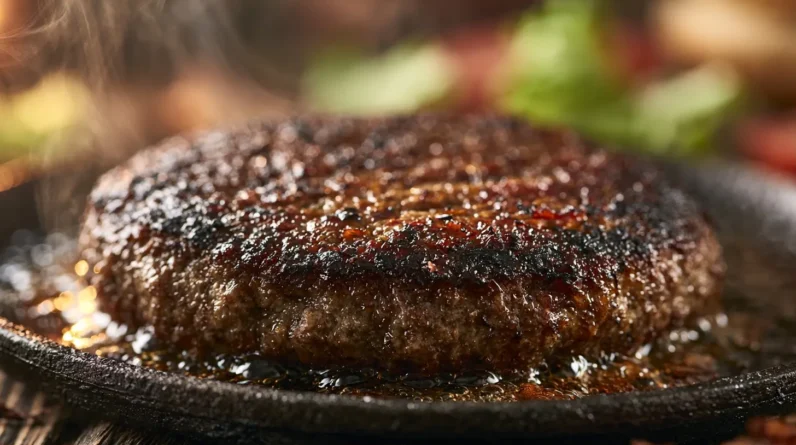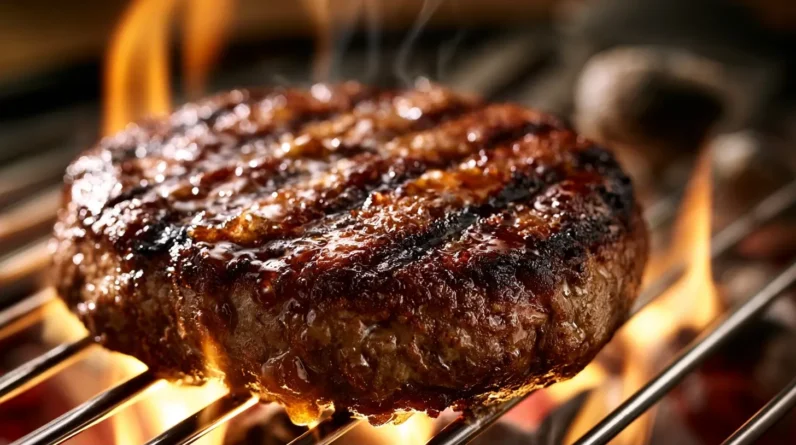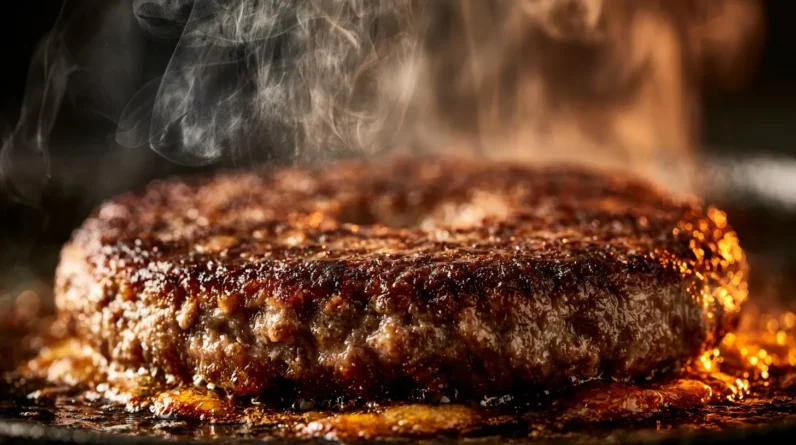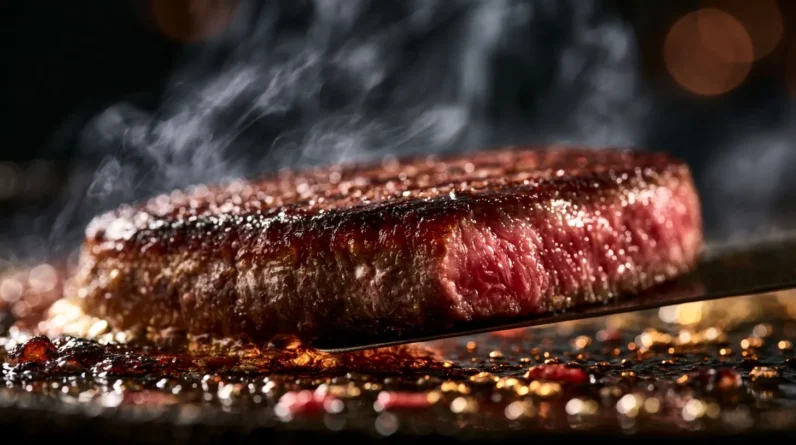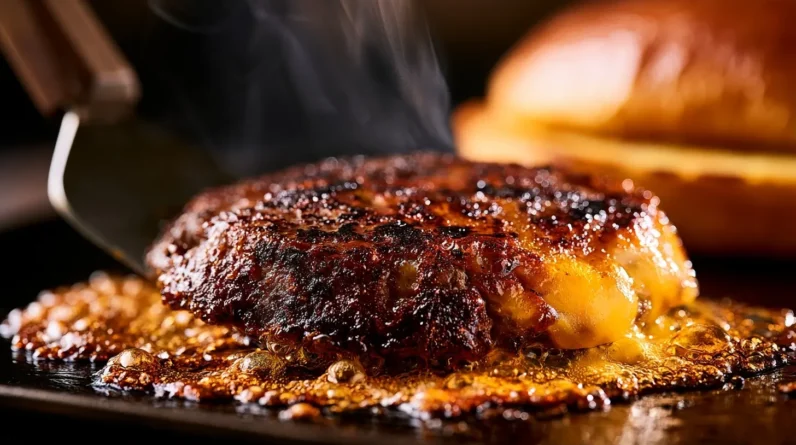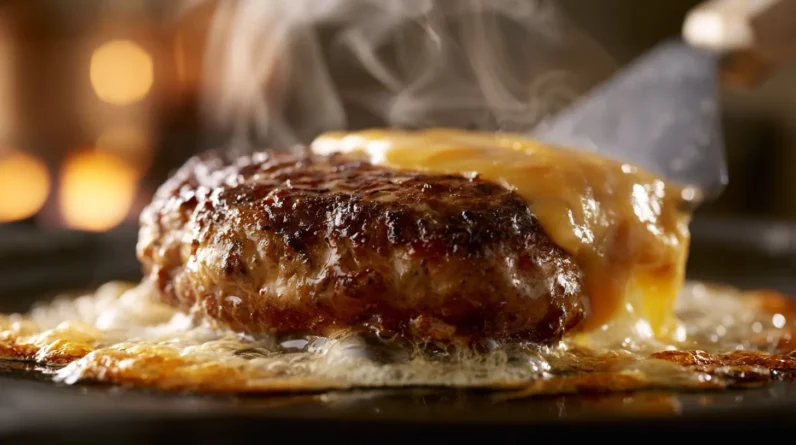



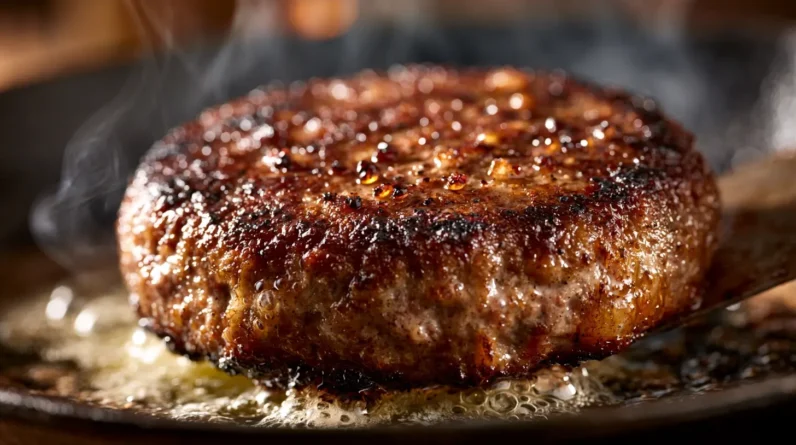
The single technique that transforms our burgers? Minimal handling. We mix ground beef gently with fingertips, using short folding motions instead of kneading, then shape patties loosely to a consistent ¾-to-1-inch thickness. We season only the exterior with coarse kosher salt, never mixing it in, since that pulls myosin to the surface and creates density. Get this technique right, and every other detail falls into place.
Why Overworking the Meat Ruins Your Burger
Because ground beef’s protein structure changes the moment we introduce mechanical stress, every extra minute we spend mixing or shaping the patty works against us. When we handle beef too much, myosin fibers bind together and form a tighter network. This directly compromises burger texture, producing a dense, rubbery bite instead of the loose, tender crumble we want. We’re not just risking a firmer patty—we’re actively degrading meat quality by pushing out moisture and fat that should stay locked inside during the cook.
Our goal is minimal contact: we portion the meat, form it loosely, and stop. We don’t compact edges or pack the center. Every additional squeeze tightens that protein matrix further, and we can’t reverse it once it’s set.
The Gentle-Hand Technique for Mixing Ground Beef
Since we recognize overworking destroys texture, we need a method that adds seasoning and mix-ins without triggering that protein breakdown. The gentle-hand technique relies on restraint: we use our fingertips, not our palms, and we work in short, deliberate motions rather than continuous kneading.
Here’s what this looks like in practice:
- Spreading seasoning across the surface, then folding it inward like turning pages
- Lifting the meat from underneath and letting it fall loosely back into the bowl
- Breaking mix-ins into small pieces so they distribute without forcing extra contact
- Stopping the moment ingredients look evenly scattered, before the mixture turns uniform or pasty
This approach represents genuine texture improvement over aggressive mixing methods. We’re not compressing the meat; we’re coaxing it together, preserving the loose structure that gives every bite its signature tenderness.
Shaping Patties Without Pressing Out the Juices
Once we’ve mixed the meat, three shaping principles determine whether the patty holds its juices or loses them to the grill. First, we handle the meat lightly, forming each portion with our fingertips rather than our palms—compression forces moisture out before heat ever touches the surface. Second, we keep patty thickness consistent, aiming for three-quarters to one inch; thinner patties dry out, while overly thick ones cook unevenly. Third, we press a shallow dimple into the center, since patties swell as they cook and this prevents doming. Fattier meat types, like 80/20 blends, tolerate slightly firmer shaping than leaner cuts, which require a gentler touch to stay tender and juicy.
Season the Outside, Not the Inside
Salt draws moisture, so we apply it only to the exterior of each formed patty, never mixing it into the meat beforehand. Mixing salt into the meat pulls myosin to the surface, creating a dense, bouncy texture we don’t want in a burger. Instead, we season liberally right before the patty hits the grill or skillet, locking in a crisp, well-defined crust while the interior stays loose and tender. Salt types matter here: coarse kosher salt adheres better than fine table salt and dissolves at a controlled rate. We keep our seasoning blends simple, letting the beef’s flavor lead.
- A cracked-pepper crust glistening under grill light
- Kosher salt crystals catching the last drops of fat
- A patty’s edge charred dark against a pink center
- Steam rising as the seasoned crust hits the heat
Grill Temperature and Timing for a Juicy Burger
Because a burger’s fate hinges on heat, we preheat the grill until it hits 450 to 500°F, hot enough to sear the surface on contact without stalling in its own juices. Grill types matter here: gas grills demand a full ten-minute preheat with the lid closed, while charcoal needs coals glowing white-orange before the patties touch the grate.
We match burger thickness to timing with precision. A ¾-inch patty gets three minutes per side for medium-rare; a full inch needs four. We flip once, resisting the urge to press or peek, since each disruption releases moisture we’re trying to lock in.
We pull burgers at 130°F internal for medium-rare, letting them rest two minutes before serving. That brief pause redistributes juices, ensuring every bite stays succulent.
Frequently Asked Questions
What Percentage of Fat Is Ideal for a Juicy Burger Blend?
We recommend an 80/20 blend as the perfect fat ratio. We’re targeting 20% fat content, which renders during cooking, ensuring ideal flavor balance while maintaining structural integrity and preventing the patty from drying out.
Can I Use Frozen Ground Beef Straight From the Freezer?
We don’t recommend it. Proper thawing methods—refrigerator thawing over 24 hours—preserve texture and enable flavor enhancement through even seasoning penetration. Skipping this step compromises fat distribution and creates uneven cooking, sacrificing the juicy, well-developed taste we’re after.
How Long Should Patties Rest Before Grilling?
We recommend 15 minutes at room temperature—studies show this reduces moisture loss by 20%. For standard patty thickness (¾ inch), resting benefits include even internal temperature distribution, ensuring superior sear formation and juicier, structurally sound burgers once grilled.
Should I Flip Burgers Multiple Times While Cooking?
Yes, we recommend flipping once per minute for even heat distribution. This burger cooking method optimizes crust formation while locking in juices, delivering superior burger flavor enhancement through consistent Maillard reaction development on both surfaces.
What’s the Best Way to Check Burger Doneness Without Cutting It?
Studies show 68% of home cooks misjudge doneness by sight alone. We rely on the touch test, comparing firmness to your palm’s base, then confirm precisely with an instant read thermometer hitting 160°F internally.
Conclusion
We’ve covered the science: gentle mixing, careful shaping, exterior seasoning, precise heat. Follow these steps, and watch what happens—the same night your neighbor fires up their overworked, dry patties, yours hits the grill with visible fat pockets still intact, searing into a crust that seals in every drop of juice. That’s not luck. That’s technique. Master it, and every burger you make delivers consistent, juicy results.