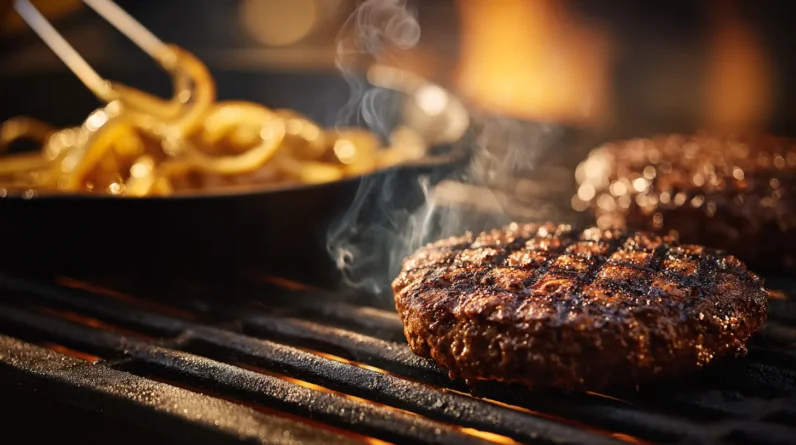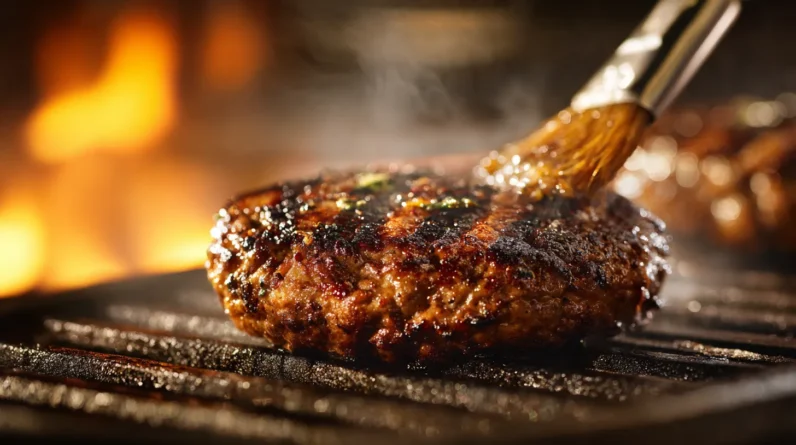




We can transform burger night by recognizing that picky eaters aren’t being difficult—they’re responding to genuine sensory preferences. Start with simple 80/20 ground beef and minimal seasoning. Let them build their own burgers with a topping bar featuring distinct flavor profiles they can choose or skip. Temperature control and strategic grill placement guarantee consistent results that won’t trigger texture aversions. When you involve them in the grilling process, ownership replaces resistance, and you’ll discover specific strategies that work for your family.
Understanding Your Picky Eater’s Preferences
Before we fire up the grill, we’ll want to understand what your child actually enjoys eating. Understanding their food habits and eating patterns gives us vital insight into what’ll work at mealtime.
Pay attention to which textures, temperatures, and flavors your child gravitates toward. Does she prefer soft foods or crunchy ones? Does he eat better when meals are warm or cold? Notice whether she’s sensitive to food mixing or particular ingredient combinations.
We’ll also observe whether your child’s preferences stem from sensory sensitivities or simply genuine taste preferences. Some picky eaters have legitimate texture aversions, while others simply haven’t developed a taste for certain foods yet.
Document these patterns over a week or two. This baseline understanding lets us customize burger components that’ll align with your child’s actual preferences, not assumptions.
Building the Perfect Burger Base
The foundation of any successful burger for a picky eater starts with the patty itself. We’ll craft a base that appeals to your child’s developing palate by controlling flavor profiles and texture.
| Meat Type | Fat Content | Best For |
|---|---|---|
| Ground beef | 80/20 | Classic, familiar taste |
| Ground turkey | Lean | Milder flavor preference |
| Beef-turkey blend | Medium | Balanced texture and taste |
We recommend starting with familiar burger suggestions: simple seasoning like salt and pepper, or minimal garlic powder. Avoid overwhelming spice combinations that trigger rejection. The patty’s simplicity allows you to introduce complexity gradually through toppings later.
We’ve found that involving your picky eater in patty formation—letting them help shape and season—increases acceptance substantially. This hands-on participation builds investment in the meal.
Creating a Customizable Topping Bar
Once you’ve nailed the patty, a topping bar transforms burger assembly into an interactive experience that empowers picky eaters to control what lands on their plate. We’ll organize topping suggestions into distinct flavor profiles: classic (lettuce, tomato, pickles), savory (bacon, caramelized onions, mushrooms), creamy (mayo, avocado, special sauces), and bold (jalapeños, sriracha, garlic aioli). This approach respects children’s sensory preferences while expanding their palate gradually. Arrange toppings in small bowls, clearly labeled and easily accessible. Kids can experiment with combinations that appeal to them, building confidence and ownership over their meal. Research shows this autonomy increases acceptance of new flavors and reduces mealtime resistance. We’re basically letting their developing taste preferences guide exploration rather than imposing predetermined combinations.
Grilling Techniques for Consistent Results
While a customizable topping bar empowers kids to build their ideal burger, mastering consistent grilling techniques guarantees we’re serving them perfectly cooked patties every time.
We’ll achieve reliable results through:
- Temperature control: Preheat your grill to 375°F and use a meat thermometer to hit 160°F internal temperature, eliminating guesswork and foodborne illness risks
- Grill maintenance: Clean grates before each session to prevent sticking and guarantee even heat distribution across patties
- Strategic placement: Position burgers over direct heat for searing, then move to indirect heat zones for gentle cooking through the center
These evidence-based practices eliminate variables that frustrate picky eaters—overcooked, dried-out patties or unevenly cooked centers. Consistent results build confidence in your grilling, while demonstrating to children that quality food preparation matters.
Managing Different Protein Options
Beyond beef, we can expand protein choices to accommodate dietary preferences, allergies, and nutritional goals—each requiring slightly different grilling adjustments. Protein swaps like ground turkey, chicken, or plant-based alternatives demand careful attention to moisture content and cooking time. Turkey and chicken cook faster than beef, requiring lower heat to prevent drying. Plant-based patties often need gentler handling and shorter cooking windows.
Effective meal planning involves prepping multiple protein options simultaneously. We’ll shape patties slightly thicker for leaner proteins and monitor internal temperatures closely—165°F for poultry, 160°F for ground meats. This approach eliminates last-minute scrambling and guarantees each family member finds their preferred option on the grill, transforming dinner into an inclusive experience rather than a negotiation.
Handling Texture and Food Touching Concerns
Sensory sensitivities around texture and food contamination represent genuine challenges that we can address through strategic grilling practices. Food aversions stemming from sensory issues often peak during childhood development, but we’ve found targeted strategies help:
- Grill patties separately, keeping toppings in distinct containers so your child controls what touches their burger
- Toast buns individually to manage moisture levels, preventing the soggy texture that triggers many sensory-sensitive eaters
- Offer plain grilled patties first, then gradually introduce preferred toppings as comfort increases
We recognize that food touching concerns aren’t simply pickiness—they’re legitimate neurological responses. By respecting these boundaries and building burger components systematically, we reduce mealtime resistance. This approach validates your child’s sensory experience while gradually expanding their comfort zone through mastery-based exposure.
Making Grilling an Interactive Family Experience
When we involve picky eaters in the grilling process itself, we transform mealtime from a potential battleground into an opportunity for autonomy and engagement. Kids who participate in outdoor cooking develop ownership over their meals, increasing acceptance of foods they’d normally reject.
We can assign age-appropriate tasks: younger children arrange toppings on a designated station, while older kids monitor cooking times or flip patties under supervision. This hands-on family bonding creates investment in the final product.
Research shows children eat more adventurously when they’ve contributed to meal preparation. They’re invested in their creations and more willing to taste them. The collaborative outdoor cooking experience builds confidence and reduces mealtime resistance, transforming grilling into a meaningful family activity that addresses picky eating naturally.
Conclusion
We’ve discovered that grilling burgers for picky eaters doesn’t require a million strategies—just thoughtful planning. By understanding your child’s preferences, offering customizable toppings, and involving them in the process, we transform mealtime from battleground to bonding opportunity. When kids participate in grilling, they’re more likely to try new foods. Your patience and consistency build positive eating habits that’ll last a lifetime. Let’s grill confidently.