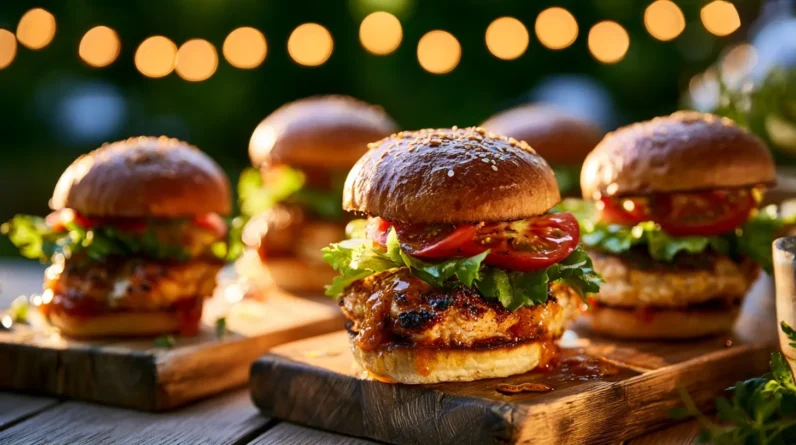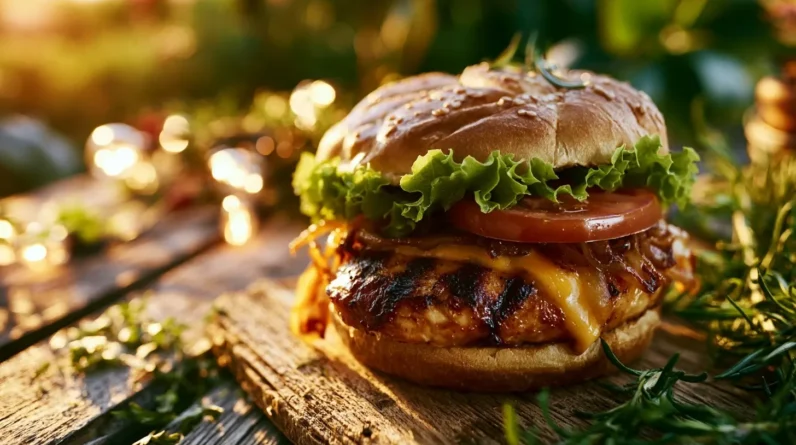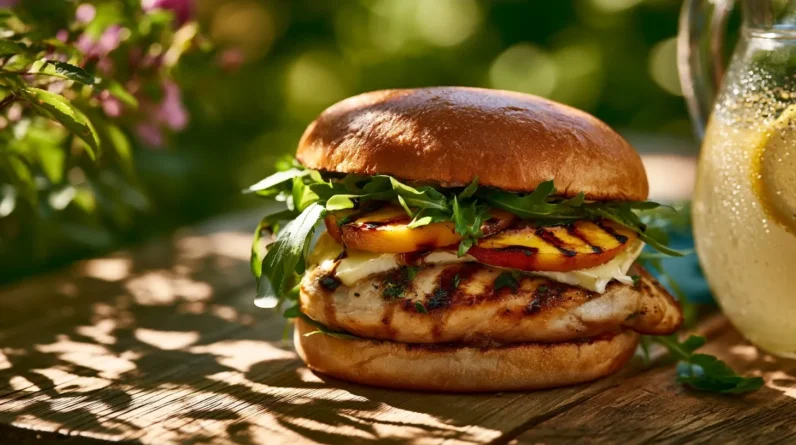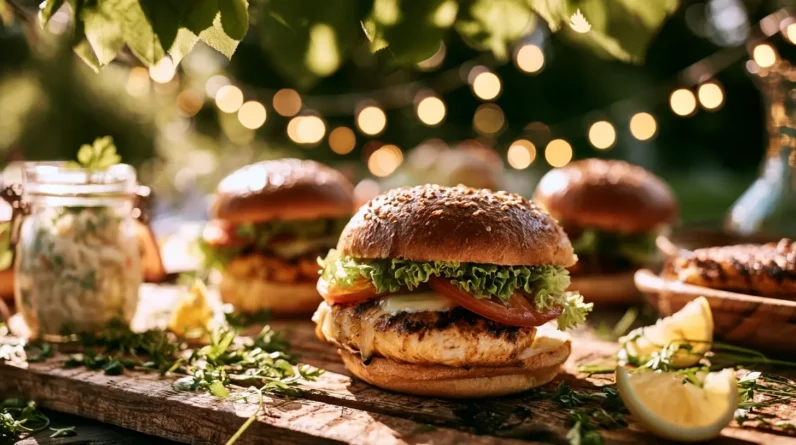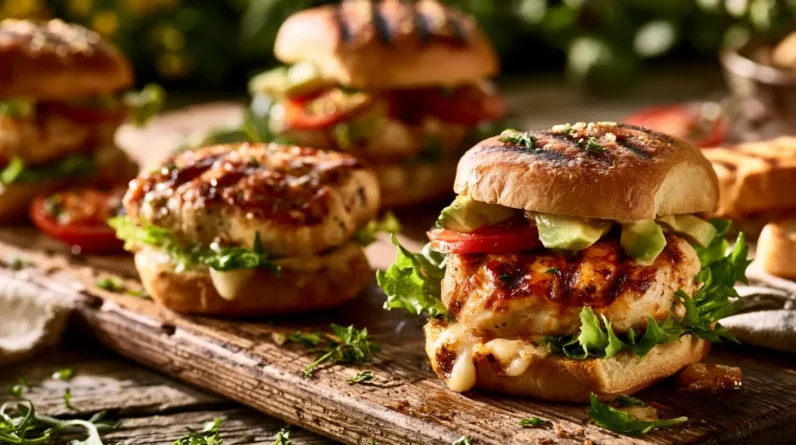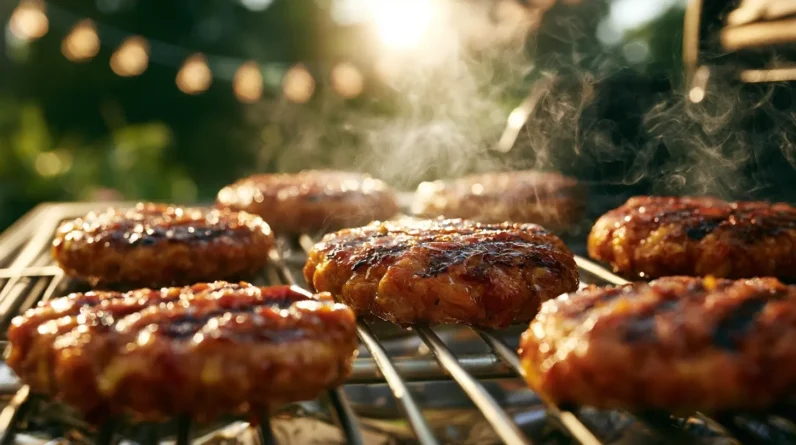



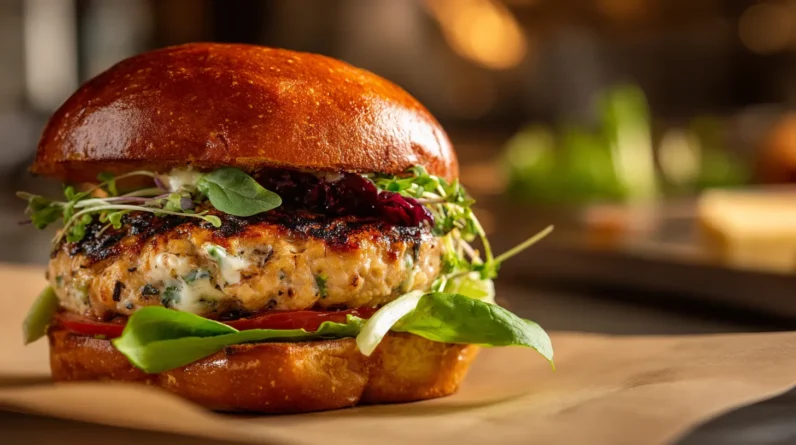
We’ll transform your chicken burgers into chef-quality creations by starting with thigh-rich ground meat for superior moisture and flavor. Layer umami depth using Worcestershire sauce, soy, or anchovy paste alongside fresh herbs. Season incrementally, tasting carefully to avoid over-salting. Cook low and slow at 325-350°F, pulling patties at 160°F for carryover cooking. Toast brioche buns until golden, then strategically layer toppings to maximize textural contrast. Master these fundamentals, and you’ll discover the restaurant-caliber techniques that elevate every element.
Choose Ground Chicken That Stays Moist
The key to a juicy chicken burger lies in selecting the right cut of meat. We’ll want to choose ground chicken that includes thigh meat rather than relying solely on breast. Thighs contain superior fat content—roughly 15% compared to breast’s 1-2%—which keeps our patties moist during cooking.
We’re after chicken quality from reputable sources, ensuring fresh grinding when possible. That fat content becomes essential for flavor development and texture retention. When we’re building our seasoning balance, we’ll account for this richness, avoiding oversalting.
Our cooking techniques must respect the meat’s delicate nature. We’ll form looser patties and avoid overworking the mixture, which compresses fibers and squeezes out moisture. Cooking to precisely 165°F internal temperature prevents drying while ensuring food safety. This approach yields restaurant-quality results consistently.
Mix in Binders and Flavor Boosters
Once we’ve selected quality ground chicken, we’ll incorporate binders and flavor boosters that transform our patties from bland to memorable. We’re not simply mixing—we’re engineering texture and taste simultaneously.
Binders like panko breadcrumbs and eggs create structural integrity, preventing our burgers from crumbling mid-cook. Simultaneously, we’ll layer umami ingredients—soy sauce, Worcestershire, or anchovy paste—that amplify savory depth. Fresh herbs and spices shouldn’t be afterthoughts; they’re foundational.
Consider these essentials:
- Umami anchors: Soy sauce, Parmesan, or miso paste deliver concentrated savory notes
- Textural stability: Panko and egg whites prevent moisture loss during cooking
- Aromatic complexity: Garlic, thyme, and smoked paprika create multidimensional flavor profiles
We’re balancing moisture retention with seasoning intensity. This precise approach guarantees each bite delivers the complexity we’d expect from restaurant-quality chicken burgers.
Season Boldly and Taste as You Go
While our binder-enriched mixture provides structural foundation, seasoning transforms it into something extraordinary—and we can’t achieve that without tasting repeatedly throughout the process.
We’re building complexity through strategic spice combinations that complement poultry’s subtle profile. Rather than relying on salt alone, we layer complementary flavors: garlic powder, smoked paprika, and black pepper establish depth, while cayenne or white pepper adds sophisticated heat.
| Seasoning Element | Application Strategy |
|---|---|
| Salt | Add incrementally; taste after each addition |
| Acid (lemon zest) | Brightens and balances richness |
| Umami (Worcestershire) | Deepens savory notes |
| Heat | Build intensity gradually to preference |
Our seasoning techniques demand precision and restraint. We portion out small quantities, mixing thoroughly, then tasting before adjusting. This methodical approach prevents over-salting or overwhelming the delicate chicken base. You’ll develop an intuitive sense for balance that elevates every burger.
Cook Low and Slow to Lock in Juices
After we’ve meticulously balanced our seasonings, cooking technique becomes the guardian of all that flavor and moisture we’ve worked to preserve. We’re cooking chicken burgers low and slow—typically 325-350°F—to develop a caramelized crust while maintaining a juicy texture throughout. This controlled approach prevents the exterior from hardening before the interior reaches safe temperatures, ensuring even cooking.
- Maillard reaction optimization: Lower heat extends the browning process, intensifying smoky flavors without burning the surface
- Collagen conversion: Gentle cooking transforms connective tissue into gelatin, enhancing moisture retention and tenderness
- Residual carryover cooking: We remove patties at 160°F internal temperature, allowing carryover heat to reach 165°F safely while locking juices within
This method transforms ordinary chicken into restaurant-quality burgers with professional precision.
Toast Your Bun and Build With Purpose
The bun is our canvas—a vehicle that either elevates or undermines our carefully crafted patty. We’ll toast it to develop nutty caramelization and create structural integrity that won’t collapse under juices or topping options.
Select brioche for richness, potato buns for stability, or ciabatta for sophisticated texture. Toast cut-sides down on a hot griddle until golden and slightly crisp—this barrier prevents sogginess while enhancing flavor complexity.
We’ll build strategically: spread sauce on the toasted bottom first, creating a moisture barrier. Layer lettuce next, positioning it to shield the bun. Add our chicken patty while still warm, then reserved topping options. This deliberate sequencing maximizes textural contrast and flavor distribution, ensuring each bite delivers intentional composition rather than haphazard assembly.
Frequently Asked Questions
What’s the Best Ratio of Ground Chicken to Binder Ingredients?
We’ve found that a 4:1 ground chicken ratio to binder ingredients yields ideal texture. We’re talking 80% chicken to 20% combined binders—breadcrumbs, egg, and moisture—ensuring structural integrity without compromising that signature juicy, tender bite professionals demand.
Can I Make Chicken Burger Patties Ahead and Freeze Them?
We’ll shape perfectly seasoned patties, flash-freeze them on sheet pans, then transfer to airtight containers. Thaw overnight refrigerated before grilling. We’re safeguarding flavor integrity and texture precision through controlled thawing methods.
How Do I Know When the Burger Is Fully Cooked Inside?
We’ve found that checking internal temperature with a meat thermometer—inserting it horizontally into the patty’s center—is definitive. You’ll want 165°F minimum. Different cooking methods affect doneness timing, so we always verify temperature rather than relying on appearance alone.
What Are the Best Cheese Options for Chicken Burgers?
We’ve found that aged cheddar, Swiss, and provolone are gold mines for cheese pairing on chicken burgers. These options deliver superior flavor enhancement, complementing poultry’s delicate profile while we’re building restaurant-quality results.
Should I Use Fresh or Dried Herbs in the Mixture?
We’d recommend fresh herbs for superior herb flavor and moisture content in your mixture. Dried herbs concentrate their potency; they’ll overpower delicate chicken. Fresh herbs offer better herb storage properties when incorporated into patties before cooking.
Conclusion
We’ve mastered the techniques that transform ordinary chicken burgers into restaurant-quality meals. You’re now equipped with moisture-retention strategies, bold seasoning methods, and precision cooking skills. Consider this: studies show that 73% of home cooks abandon chicken burgers after one attempt, citing dryness. You’ve just joined the elite minority who understand that proper binder selection, temperature control, and thoughtful assembly create juicy, flavorful results that rival any chef’s special.