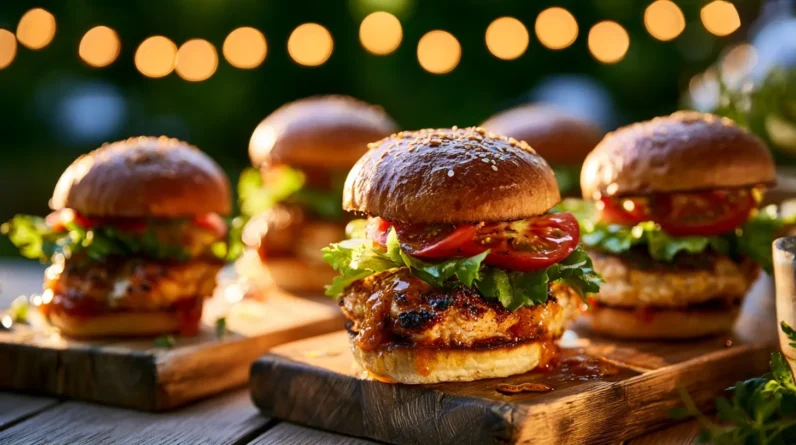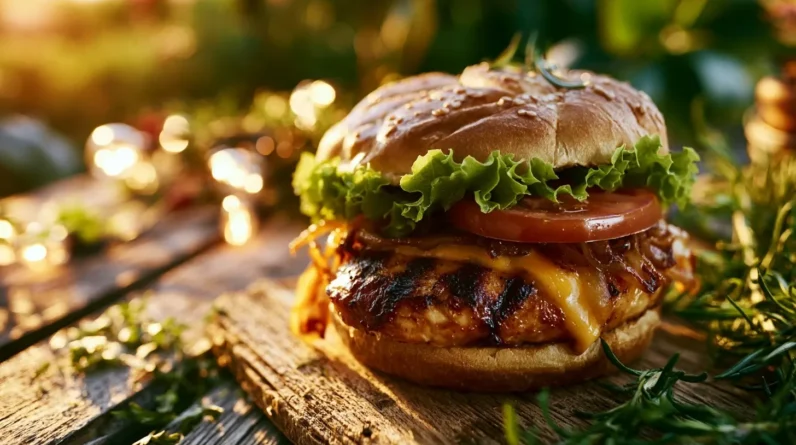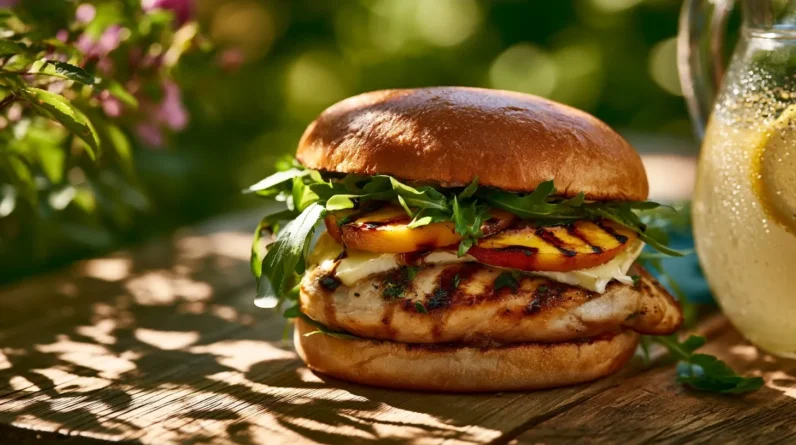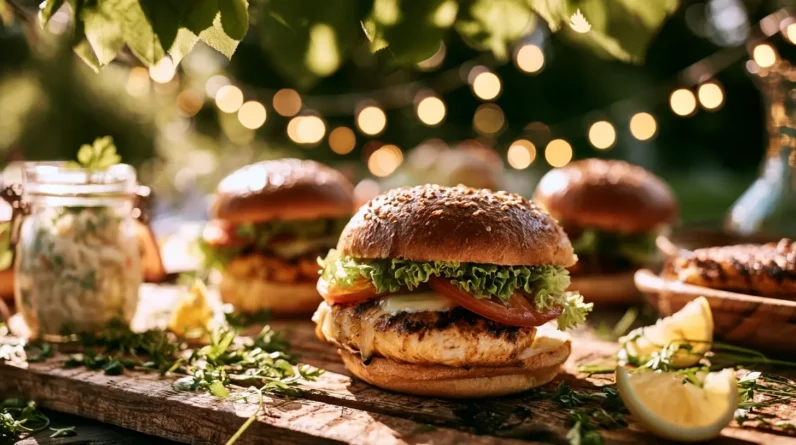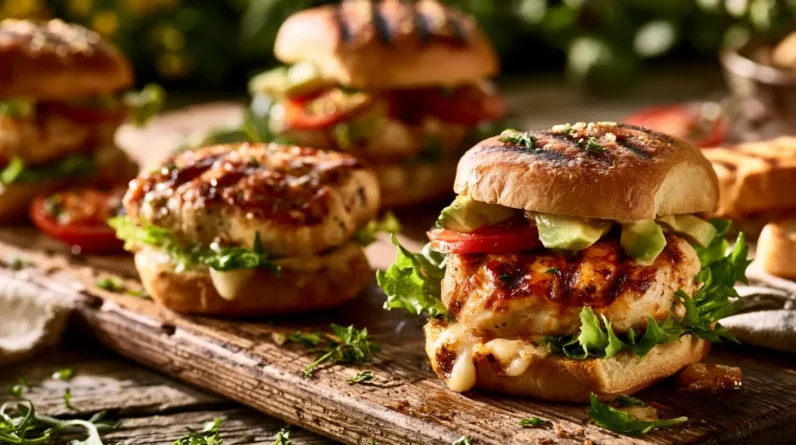



We’ll show you how to make chicken burgers that stay juicy and flavorful every time. Start by choosing ground chicken with thigh meat for higher fat content, then mix in binders like breadcrumbs and fats such as bacon or cheese. Season aggressively with salt, pepper, garlic, and paprika to enhance chicken’s mild flavor. Cook over medium heat to 165°F, then rest for several minutes. Finally, toast sturdy buns and layer lettuce as a moisture barrier before adding toppings. There’s much more to master about achieving burger perfection.
Choose Ground Chicken That Stays Juicy
Because ground chicken tends to dry out more easily than beef, we’ll want to select the right cut from the start. Ground chicken types vary considerably in fat content, which directly impacts juiciness and flavor. We’re looking for ground chicken that contains thigh meat, not just breast—thighs offer substantially more fat, typically 15-20% compared to breast’s mere 1-3%.
When shopping, check the label carefully. Packages labeled “ground chicken” often contain breast meat exclusively. Instead, seek “ground chicken thighs” or blends combining thigh and breast. Some butchers will grind thighs on request if pre-packaged options aren’t available.
This higher fat content isn’t a drawback—it’s essential. It keeps our burgers moist during cooking and delivers superior taste. The additional fat also helps bind ingredients, reducing the need for excessive binders that can toughen the final burger.
Mix in Binders and Fat to Prevent Dryness
Even with quality ground chicken thighs, we’ll still want to reinforce our burgers against dryness by mixing in binders and fat. Breadcrumbs or panko absorb and retain moisture while holding the patty together. We can also incorporate egg alternatives like aquafaba or cornstarch slurry if needed.
For fat, we’re not limited to traditional options—consider mixing in finely minced bacon, grated cheese, or even avocado for richness and flavor enhancements. Aim for about one part binder and one part fat per four parts ground chicken.
These additions aren’t just about texture; they’re strategic flavor enhancements that transform a lean protein into a satisfying burger. Don’t skip this step. The binders and fat work together to create moisture retention that keeps each bite tender and delicious, separating amateur attempts from truly excellent homemade chicken burgers.
Season Boldly Before You Hit the Grill
Now that we’ve built a moist, flavorful base with our binders and fat, we’ll want to season aggressively—chicken’s mild flavor demands it. We’re not being cautious here; we’re committing fully to bold seasoning techniques that’ll elevate every bite.
Don’t just sprinkle salt and pepper. We’ll layer complementary flavor profiles by combining kosher salt, fresh cracked pepper, garlic powder, paprika, and cumin. Consider what we’re building toward—smoky, savory, or bright and herbaceous—and adjust accordingly.
Season the mixture thoroughly, then taste a small portion by cooking it in a skillet. This critical step prevents underseasoned burgers on the grill. We’ll adjust as needed before forming patties, ensuring consistent flavor throughout. Remember: chicken needs more aggressive seasoning than beef to achieve that satisfying, fully-developed taste.
Cook Low and Slow to Lock in Moisture
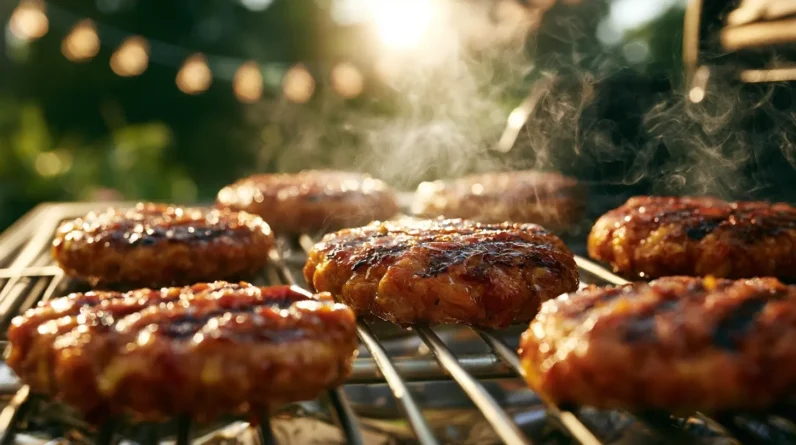
The difference between a juicy burger and a dry one often comes down to temperature control. We recommend cooking your chicken burgers over medium heat rather than high flame. This lower temperature allows the patties to cook through evenly without burning the exterior while the interior remains undercooked.
We’ve found that maintaining consistent heat prevents the proteins from contracting too rapidly, which squeezes out precious moisture. Aim for an internal temperature of 165°F, checking with a meat thermometer at the thickest point.
Once your burgers reach this temperature, don’t skip the resting period. Let them sit for three to five minutes before serving. This vital step allows the juices to redistribute throughout the patty, ensuring every bite stays tender and flavorful. You’ll notice the difference immediately.
Build Your Burger to Balance Flavor and Texture
Once you’ve nailed the cooking technique, how you assemble your burger becomes just as important. We’re talking strategic layering that elevates every bite.
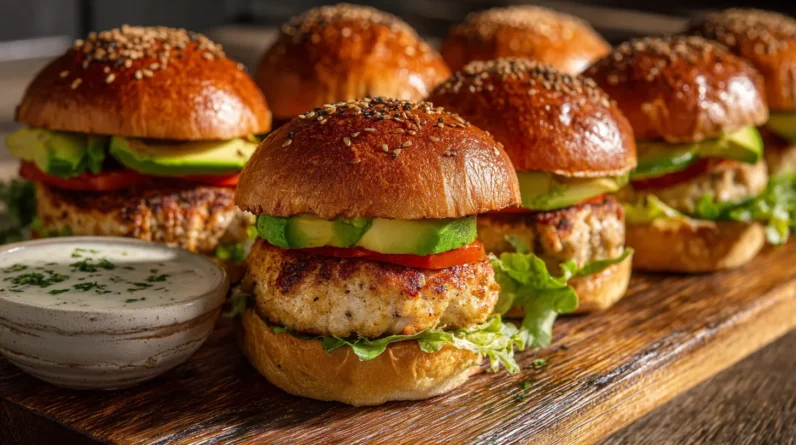
Your foundation matters—select bun choices that won’t collapse under moisture or turn soggy. Toasted brioche, pretzel, or sturdy whole grain options each bring distinct character. Consider your patty’s density and seasoning when choosing.
- Layer strategically: Place lettuce against the bun to create a moisture barrier before adding sauce
- Balance topping combinations: Pair acidic elements (pickles, tomatoes) with creamy ones (mayo, avocado) for complexity
- Manage temperature contrast: Combine warm patties with cool, crisp vegetables for textural interest
- Control moisture carefully: Toast buns and use quality condiments sparingly to maintain structural integrity
These deliberate choices transform a good burger into an exceptional one.
Frequently Asked Questions
Can I Make Chicken Burger Patties Ahead of Time and Freeze Them?
Yes, we recommend freezing your patties for meal prep. Here’s our storage tip: wrap each patty individually in plastic wrap, then place them in a freezer bag. They’ll keep for up to three months, ready when you need them.
What’s the Best Type of Bun to Use for Chicken Burgers?
We recommend brioche for richness or whole wheat for earthiness—both bun types complement chicken’s mild flavor. Choose based on your flavor pairing preferences: brioche pairs with creamy toppings, while whole wheat suits fresh vegetables.
How Do I Know When Chicken Burgers Are Fully Cooked Inside?
We’ll know our chicken burgers are fully cooked when we’ve reached an internal temperature of 165°F. We’ll check by inserting a meat thermometer into the thickest part—the juices running clear confirms they’re perfectly done.
What Are Good Topping Combinations That Pair Well With Chicken Burgers?
We’ve found that creative toppings like crispy bacon, avocado, and caramelized onions deliver exceptional flavor pairings. For health-conscious options, we’d recommend Greek yogurt sauces. We’re also inspired by international combinations—think chipotle mayo or tzatziki—elevating your burger mastery.
Can I Cook Chicken Burgers Indoors if I Don’t Have a Grill?
We’ll cook, we’ll season, we’ll achieve perfect results indoors. Pan-searing and baking are our best indoor cooking methods. Apply robust chicken seasoning before cooking for maximum flavor development that rivals grilled burgers.
Conclusion
We’ve tested whether careful attention to moisture actually transforms chicken burgers—and it does. Ground chicken’s lean nature doesn’t doom it; binders, fat, and bold seasoning work together to create juicy results. Cook low and slow, skip the high heat that dries them out, and you’ll crack the code. Your next backyard cookout? It’ll feature burgers that rival any beef version. The secret’s simply knowing what chicken needs.