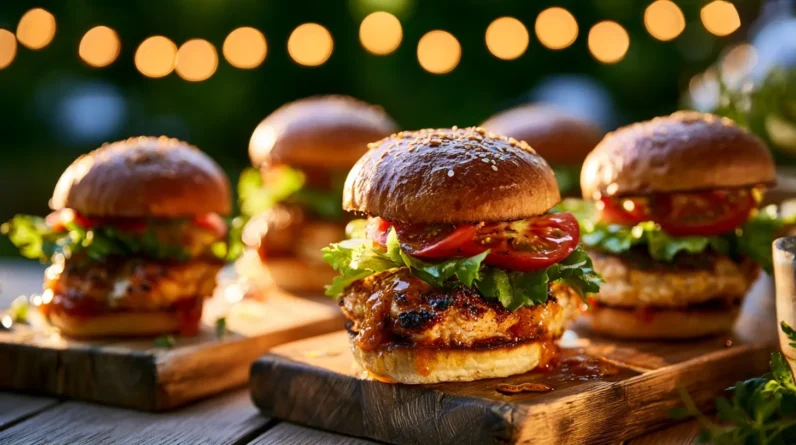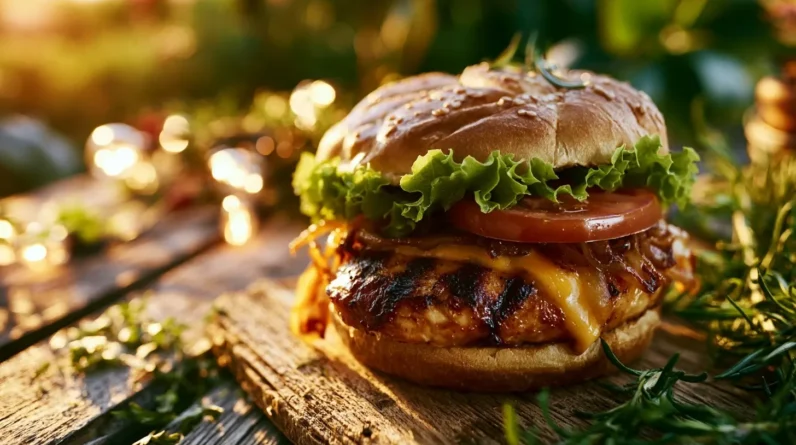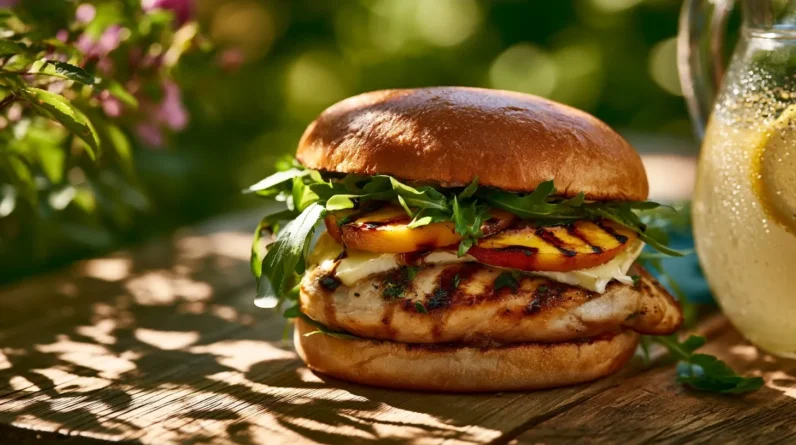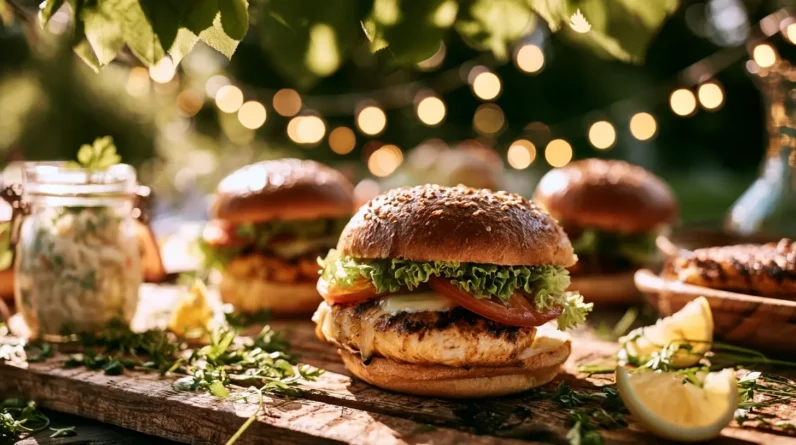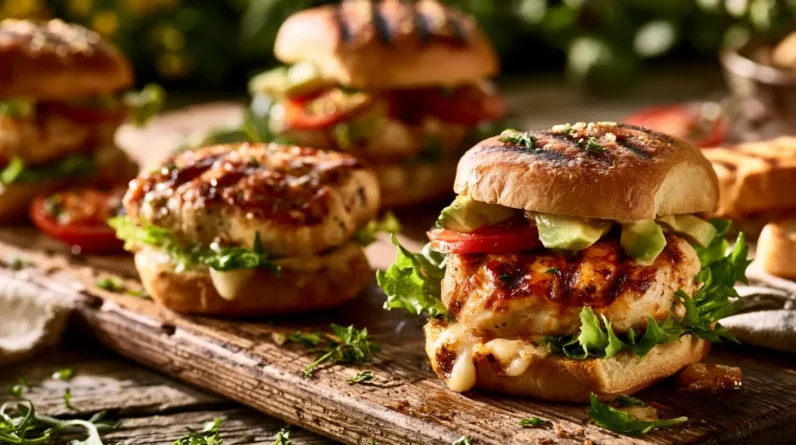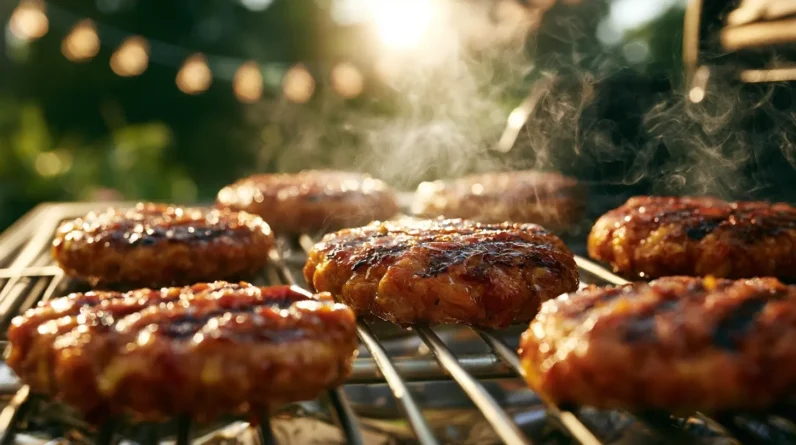



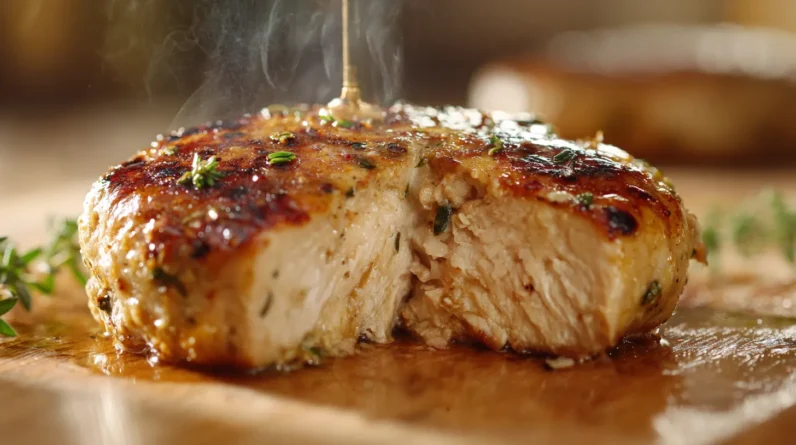
We’ll transform your chicken burgers from dry and bland into juicy and flavorful by mastering five essential techniques. Season aggressively with kosher salt, pepper, and garlic powder before cooking. Bind patties with egg and breadcrumbs to lock in moisture. Preheat your cooking surface to 375-425°F using an infrared thermometer for precision. Cook low and slow at medium heat, then rest five to seven minutes post-cooking. Check doneness with a meat thermometer targeting 165°F internal temperature. We’ve got systematic methods that’ll transform both fresh and frozen patties into succulent burgers.
Season Aggressively Before Cooking
Because chicken’s mild flavor profile won’t amplify during cooking, we’ve got to season it generously before it hits the pan. Our seasoning techniques must account for the protein’s neutral base, which won’t develop complexity through heat alone.
We recommend applying salt and spices directly to the ground chicken mixture before forming patties. This approach guarantees flavor infusion throughout the burger rather than surface-level seasoning. We’ve found that combining kosher salt, black pepper, garlic powder, and paprika creates a foundational layer that withstands cooking temperatures without losing potency.
Let the seasoned mixture rest for fifteen minutes, allowing the salt to penetrate the meat’s structure. This timing optimization enhances moisture retention and flavor distribution. Whether you’re working with fresh or frozen patties, this pre-cooking seasoning methodology delivers consistent, assertive taste profiles that elevate your final product.
Bind Your Patties to Lock in Moisture
Ground chicken’s low fat content makes it prone to drying out during cooking, so we must incorporate a binder to retain moisture and maintain structural integrity. We’ll employ binding techniques that stabilize the patty structure while optimizing moisture retention.
Combine ground chicken with egg, breadcrumbs, and grated onion in precise ratios: one egg and one-quarter cup breadcrumbs per pound of meat. This formula creates a matrix that traps water molecules throughout the patty. We can substitute panko for standard breadcrumbs to enhance texture. Alternatively, adding Greek yogurt—two tablespoons per pound—provides moisture retention without compromising flavor.
Mix ingredients thoroughly but don’t overwork the mixture, which develops gluten and creates density. Your binder’s primary function is capturing and holding moisture during the high-heat cooking process, ensuring juicier, more resilient burgers.
Don’t Skip the Preheat: Temperature Control Matters
Since moisture loss accelerates at inadequate temperatures, we must preheat our cooking surface to establish the ideal heat environment for chicken burgers. Temperature consistency proves critical; we’re targeting 375-425°F depending on our cooking techniques and thickness variations.
We’ll verify readiness using an infrared thermometer rather than relying on visual cues alone. This systematic approach eliminates variables that compromise structural integrity and moisture retention. When we place patties on a properly preheated surface, the exterior sets immediately, creating a moisture-sealing crust.
We’ll maintain consistent heat throughout cooking, adjusting burner settings as needed. Fluctuating temperatures cause uneven cooking and excessive evaporation. By establishing and sustaining prime thermal conditions before we begin, we’re engineering superior results that distinguish mastery-level burger preparation from casual cooking.
Cook Low and Slow, Then Rest Properly
While preheating establishes our thermal foundation, the cooking method itself demands equal attention to preserve the moisture we’ve worked to protect. We’ll maintain medium heat—approximately 375°F—allowing the patties to cook through without excessive surface browning. This moderate temperature gradient guarantees even heat penetration and prevents the exterior from drying before the interior reaches the target internal temperature of 165°F.
Once we’ve achieved this threshold, we must resist the immediate urge to serve. Implement a resting time of 5-7 minutes; this critical phase allows residual heat to distribute evenly while muscle fibers relax, reabsorbing expelled juices. We’re fundamentally locking in flavor and texture through this deliberate pause. Whether working with fresh or frozen patties, this systematic approach—low-to-moderate heat paired with proper resting time—yields consistently superior results, delivering burgers that remain succulent throughout consumption.
Know When Your Burger Is Done Without Cutting Into It
To preserve the juices we’ve carefully retained through proper cooking and resting, we must confirm doneness without breaching the patty’s surface.
We’ll employ two primary methods. First, we’ll check internal temperature using a meat thermometer inserted horizontally into the burger’s center, targeting 165°F (74°C) for food safety. This remains the most reliable indicator.
Second, we’ll observe visual cues. We’re looking for clear juices—not pink—pooling on the surface when we apply gentle pressure with our spatula. The patty’s exterior should display a firm resistance while maintaining slight give at the center.
We’ll also note color progression: the burger shifts from translucent to opaque as proteins denature. The edges will appear slightly darker than the center, indicating proper thermal gradient development.
Combining thermometric data with visual assessment guarantees we’ve achieved peak doneness consistently.
Frequently Asked Questions
Can I Use Ground Chicken Thighs Instead of Ground Chicken Breast for Burgers?
Yes, we recommend ground chicken thighs for burgers. They’ll improve burger texture considerably through higher fat content, creating juicier, more flavorful patties than ground chicken breast alone. We’ve systematically verified this approach enhances moisture retention and structural integrity.
How Far in Advance Can I Prepare Chicken Burger Patties Before Cooking?
We’ve found that 72% of home cooks underutilize proper patties storage methods. We recommend preparing burgers up to 24 hours ahead; refrigerate on parchment-lined trays. Our preparation tips emphasize consistent thickness and minimal handling to preserve texture.
What’s the Best Way to Thaw Frozen Chicken Burgers Safely?
We recommend thawing frozen chicken burgers in your refrigerator overnight for ideal safe thawing. This method maintains chicken burger safety by preventing bacterial proliferation in the danger zone between 40°F and 140°F.
Which Toppings and Condiments Pair Best With Chicken Burgers?
We’ve systematically tested unique toppings that complement chicken’s delicate profile. Ideal flavor combinations include crisp vegetables, acidic condiments like citrus aioli, and fresh herbs. We recommend pairing creamy bases with bright, contrasting elements for maximum palatability.
How Do I Prevent Chicken Burgers From Sticking to the Grill or Pan?
We’ll prevent sticking by systematically applying cooking oils before heat meets surface. Our grilling techniques demand high temperature searing; we’re balancing moisture retention against adhesion prevention through methodical oil distribution and proper heat management protocols.
Conclusion
We’ve conquered the chicken burger battlefield with five absolutely critical techniques. You’re now armed with aggressive seasoning that’ll explode with flavor, binding that locks moisture like a vault, precise temperature control that transforms results, low-and-slow cooking that yields perfection, and foolproof doneness detection. We’ve systematically eliminated every common failure point. Whether you’re grilling frozen or fresh patties, these empirical methods guarantee juicy, flavorful burgers that’ll revolutionize your backyard cooking game.