


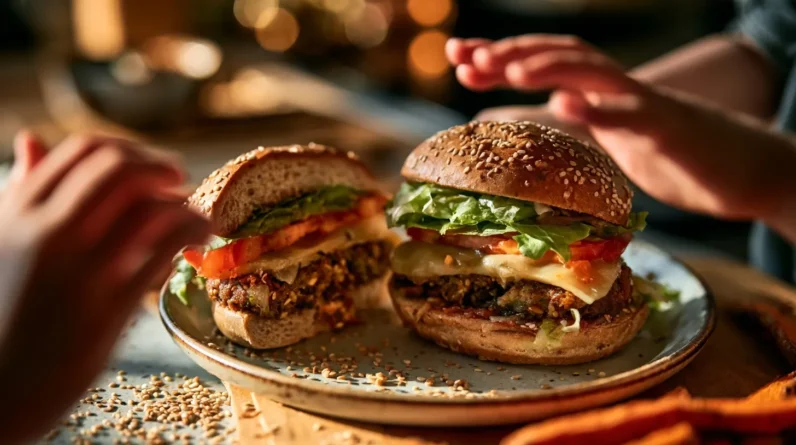
Getting kids to try a veggie burger starts with smart strategy, not pressure. We understand children resist unfamiliar foods, but repeated low-key exposure really does work. Choose a mild, softer patty, serve it on a familiar bun with their favorite toppings, and let them help build their own. Even small wins—like touching or smelling it—count as progress. Keep going, and there’s a lot more to uncover about making this easier.
Why Kids Resist Veggie Burgers in the First Place
Before we can get kids to embrace veggie burgers, we need to understand why they push them away. Children’s taste preferences develop early and lean heavily toward familiar, calorie-dense foods — making a plant-based patty feel foreign. Texture aversions play a significant role too; many veggie burgers have a mushy or grainy consistency that conflicts with what kids expect from a “burger.” Visual appeal matters more than we often acknowledge — if it doesn’t look right, they won’t try it. Cultural influences reinforce these barriers, especially when family meals center on traditional meat-based dishes. Research confirms that repeated, low-pressure exposure helps reshape food preferences over time. Understanding these resistance points gives us a strategic starting place rather than a frustrating guessing game.
Choose a Veggie Burger Your Kids Will Actually Like
Once we comprehend why kids resist veggie burgers, we can make smarter choices at the store. Not all veggie burgers taste alike, and texture varies dramatically between brands. Kids generally prefer softer, milder options over dense, heavily spiced patties.
Look for burgers with familiar flavor pairings — mild cheeses, subtle herbs, or a slightly smoky profile that mirrors traditional beef. Conduct simple taste tests at home using small bites before committing to a full meal. Let kids vote on their favorite brand; ownership increases acceptance.
Research confirms children adopt new foods faster when given some control. Prioritize patties with minimal aftertaste and a texture closer to soft rather than crumbly. These small strategic decisions dramatically improve first-bite success.
Make Veggie Burgers Look and Taste Familiar
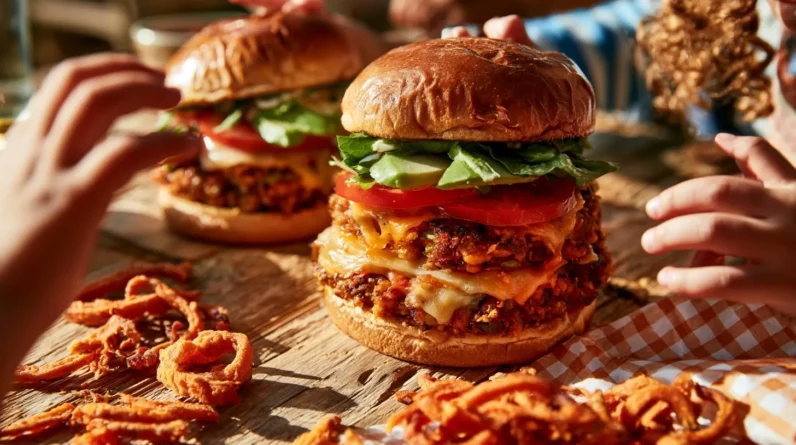
How we present veggie burgers matters just as much as which brand we choose. Kids rely heavily on visual cues and familiar textures to decide whether something is worth tasting. Serving a veggie burger on the same bun, with the same colorful toppings — lettuce, tomato, ketchup — they’d expect on a beef burger reduces the novelty factor markedly.
Research on food neophobia in children confirms that presentation shapes acceptance before the first bite even happens. Keep the setup consistent with what your kids already know. Same plate, same sides, same routine. When a veggie burger looks like the meal they recognize, they’re far more likely to approach it with curiosity rather than resistance, making that critical first bite considerably easier to achieve.
Let Kids Build Their Own Burger
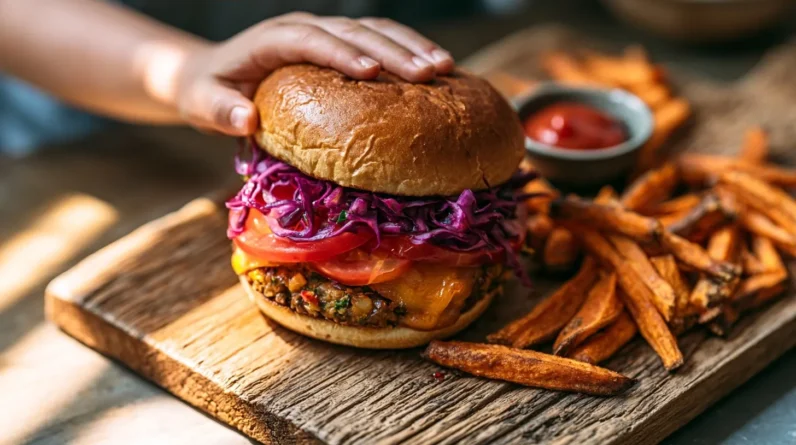
Beyond presentation, we can boost acceptance even further by handing kids some control over the meal itself. Research consistently shows that children eat more when they feel ownership over their food choices. Setting up a simple burger bar lets kids select their own burger toppings—lettuce, cheese, pickles, tomato, or sauces—turning the meal into an engaging activity rather than a directive.
We can also guide them toward smart flavor pairings without forcing decisions. Suggest that creamy avocado balances earthy bean patties, or that tangy mustard brightens lentil-based burgers. Offering two or three curated options keeps choices manageable without overwhelming young eaters. When kids assemble their own plates, they’re far more invested in actually tasting what they’ve built.
What to Do When They Still Won’t Take a Bite
Even with all the right strategies in place, some kids will still refuse to take that first bite—and that’s completely normal. Research on food neophobia shows repeated, low-pressure exposure is key. Don’t force it. Instead, keep offering veggie burgers in different forms—varying creative toppings, sauces, and engaging presentations until something clicks. Let them smell it, touch it, or simply sit near it without pressure. Studies suggest it can take 10–15 exposures before a child accepts a new food. Stay consistent and neutral; avoid making mealtime a battleground. Celebrate small wins, like a child who sniffs the burger or licks a topping. Progress isn’t always a bite—it’s a gradual process built on trust and patience.
Frequently Asked Questions
Are Veggie Burgers Actually Nutritious Enough to Replace Regular Burgers for Kids?
Yes, they can! When we check the nutrient comparison, veggie burgers often match protein levels kids need. Respecting your child’s taste preferences while introducing plant-based options guarantees they’re getting balanced, wholesome nutrition confidently.
At What Age Can Children Safely Start Eating Veggie Burgers?
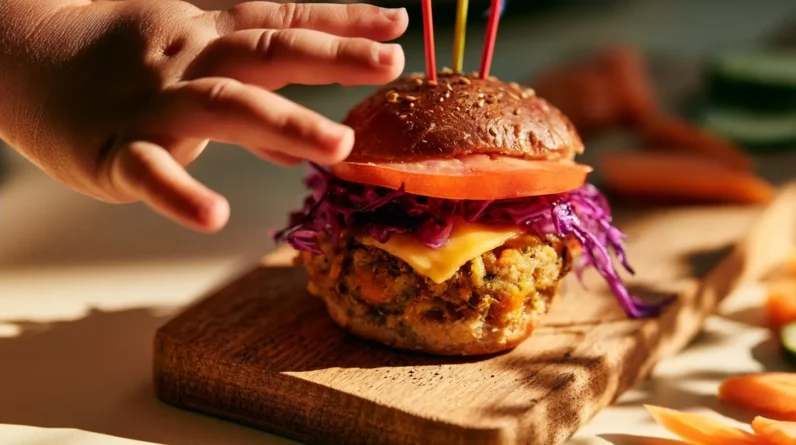
We can introduce veggie burger ages as early as 8–10 months, once solids are established in a child diet. We’ll want to mash, soften, and season appropriately for safe, age-appropriate eating.
Can Kids With Soy Allergies Still Safely Enjoy Most Veggie Burgers?
Kids with soy allergies can’t safely enjoy most veggie burgers, as soy’s a common base ingredient. We recommend prioritizing allergy awareness and seeking soy substitutes like black bean, lentil, or chickpea-based options instead.
How Do Veggie Burgers Impact a Child’s Environmental Awareness and Values?
What better way to shape values than through meals? When we guide kids toward veggie burgers, we’re weaving sustainability education into their dietary habits, fostering environmental awareness naturally and meaningfully through every mindful, plant-based bite they take.
Are Frozen Veggie Burgers Healthier Than Freshly Made Homemade Versions?
Homemade nutrition wins overall, but don’t dismiss frozen ingredients entirely. We’ve found fresh versions let us control sodium and additives, while quality frozen options offer convenience without sacrificing too much of the nutritional value our kids need.
Conclusion
Getting kids to eat veggie burgers won’t happen overnight, and that’s completely okay. We’re not asking them to climb Mount Everest—we’re asking them to take one tiny bite of a bean patty. By starting small, keeping things fun, and letting them have some control, we’re setting them up for a lifetime of adventurous eating. Stay consistent, stay patient, and remember: even the world’s pickiest eater can surprise you.