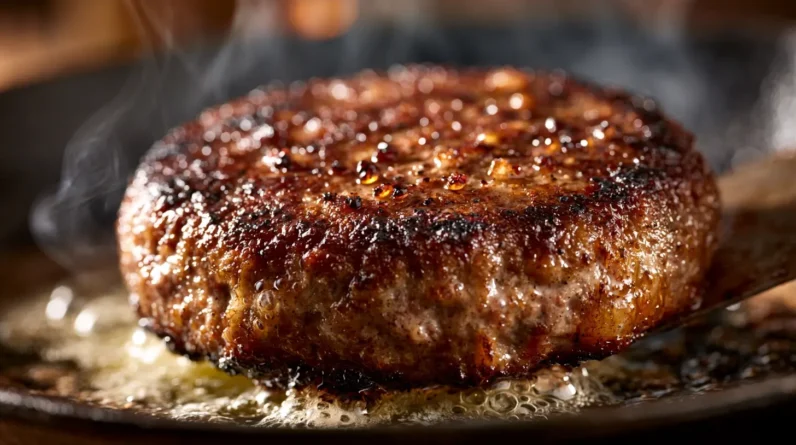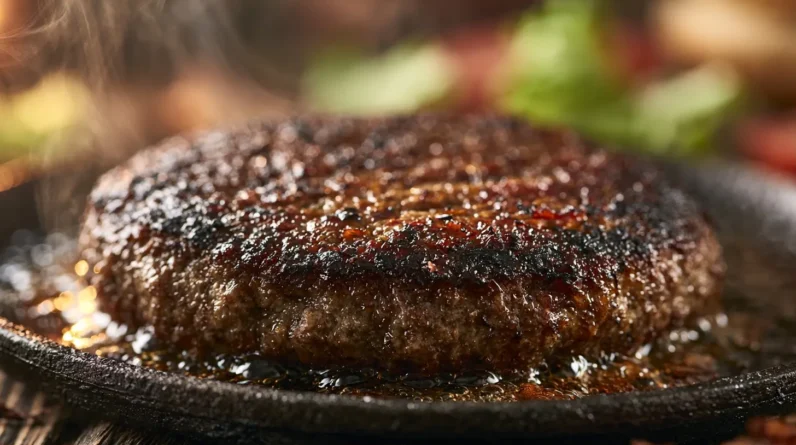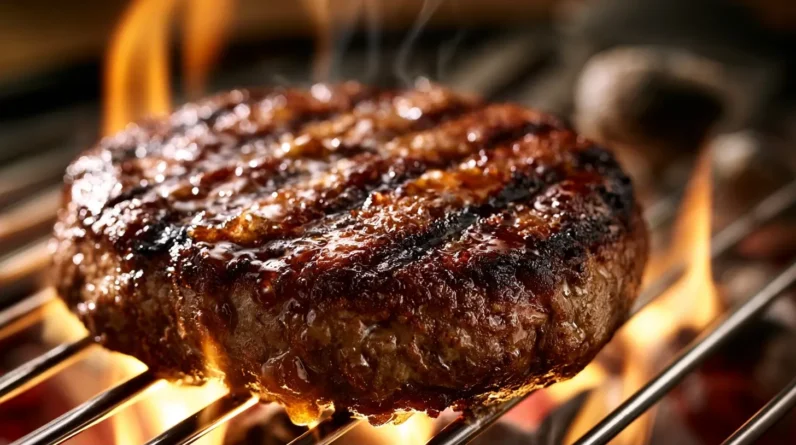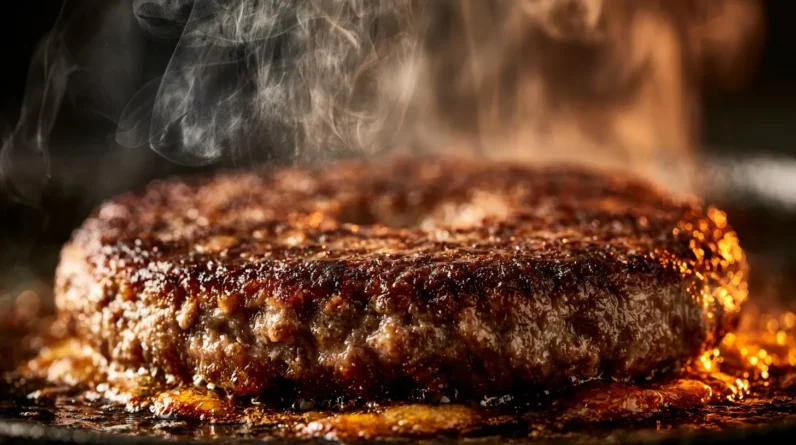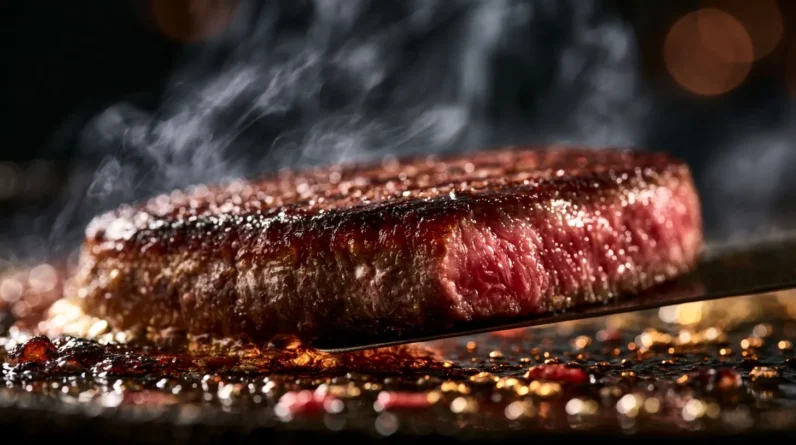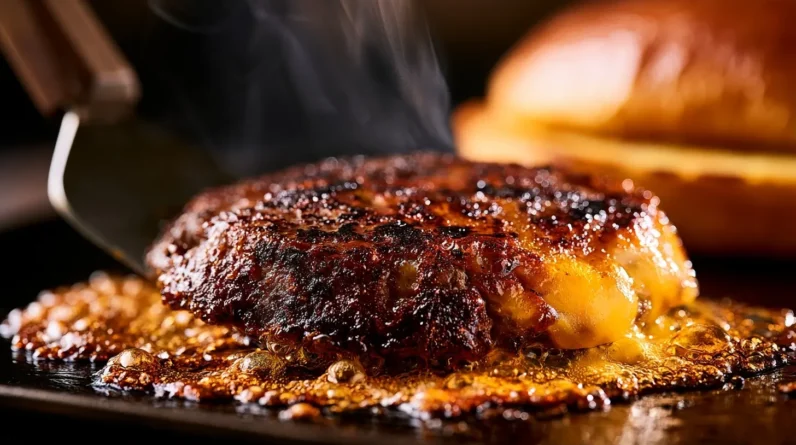



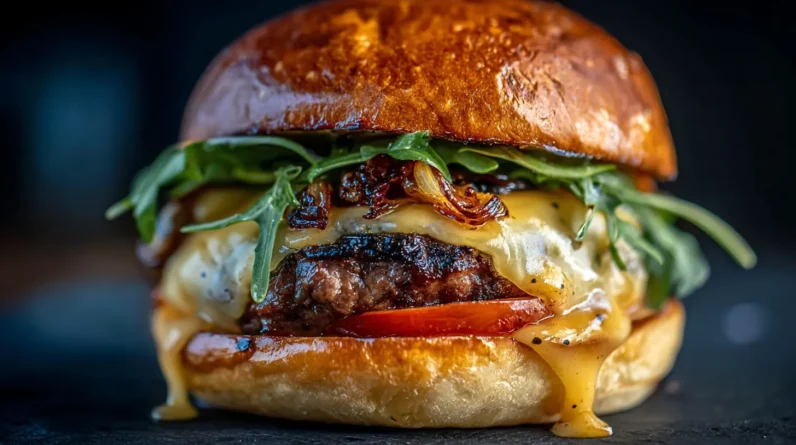
To turn an average burger legendary, we start with an 80/20 beef blend, preferably freshly ground chuck mixed with short rib or brisket. We shape patties with minimal handling and a center dimple, then sear on a preheated grill hitting 450°F to 500°F. Coarse salt, bold spices, and umami-rich additions like Worcestershire deepen flavor. Proper assembly locks in texture and structure. Everything we cover ahead transforms each step into something remarkable.
Start With the Right Beef Blend and Fat Ratio
The foundation of a great burger begins long before the patty hits the grill — it starts with selecting the right beef blend and fat ratio. We recommend an 80/20 lean-to-fat ratio as the gold standard. That 20% fat content delivers moisture, flavor, and structural integrity throughout the cook.
Meat quality matters enormously here. Freshly ground chuck outperforms pre-packaged options in both texture and taste. For elevated results, we blend chuck with short rib or brisket, creating depth that ground chuck alone can’t achieve.
Fat also plays a critical role in temperature control. Leaner blends cook faster and dry out quickly, leaving little margin for error. A proper fat ratio gives us the buffer we need to nail doneness every time.
How You Shape the Patty Changes Everything
Shaping a patty incorrectly can ruin even the finest beef blend before it ever reaches the grill. Handle the meat minimally — overworking develops tough, dense burgers. Press a shallow dimple into the center of each patty to prevent doming during cooking.
Patty thickness and burger sizes directly determine cook time, crust development, and internal texture. Use this reference guide:
| Burger Size | Patty Thickness | Best Cooking Method |
|---|---|---|
| 3 oz slider | ¼ inch | Smash technique |
| 6 oz classic | ½ inch | Direct grill heat |
| 8 oz steakhouse | ¾ inch | Reverse sear |
Consistent edges matter as much as center thickness. Uneven patties cook unevenly. We recommend weighing each portion before shaping — precision here translates directly to a legendary result on the plate.
Master the Heat Before the Meat Hits the Grill
Before any patty touches the surface, we need to understand heat zones — because how we manage temperature directly determines whether a burger develops a proper crust or steams into a gray, textureless disappointment. Effective grilling techniques demand a two-zone setup: one side running high heat for searing, the other at medium for controlled finishing. Preheat your grill for at least ten minutes. Surface temperature should reach 450°F to 500°F before the meat makes contact. Temperature control isn’t optional — it’s the foundation of everything. A cold grill won’t trigger the Maillard reaction that builds flavor. We’re chasing that aggressive sizzle the moment the patty lands. Get the heat right first, and the burger responds accordingly.
Build Bold Flavor With Seasoning and Toppings
Seasoning is where a burger’s character gets established — and most people underestimate it. We recommend pressing coarse salt and cracked pepper directly into the patty’s exterior minutes before grilling — never before. Bold spices like smoked paprika, garlic powder, or cumin add dimension without overwhelming the beef’s natural richness.
Flavor infusions extend beyond the surface. Worcestershire sauce or anchovy paste folded into the blend deepens umami greatly. Unique toppings — caramelized onions, roasted chiles, aged cheddar — should each serve a structural purpose, contributing texture or contrast rather than chaos.
Condiment combinations deserve equal precision. A harissa aioli, truffle mustard, or miso-spiked mayo transforms the entire flavor profile. We treat every layer intentionally, because a legendary burger is built — not accidentally assembled.
Stack Your Burger in the Right Order
Once every layer of flavor is locked in, the order in which we stack them determines whether those choices pay off or cancel each other out. Proper layering technique starts with the bottom bun acting as a moisture barrier — spread condiments there first. Next, add sturdy greens, then the patty, followed by melted cheese that anchors toppings above it. Crisp elements like onion or pickles go on top to preserve their texture variety against the patty’s heat. The crown bun, lightly dressed, completes the seal. This sequence isn’t arbitrary — it controls structural integrity, bite consistency, and flavor distribution simultaneously. When we build deliberately, every ingredient performs its role precisely, and the burger delivers a unified, intentional experience from first bite to last.
Frequently Asked Questions
Can I Make Burger Patties Ahead of Time and Freeze Them?
Yes, we recommend mastering patty preparation in advance. Shape your patties, separate them with parchment, and freeze for best burger storage up to three months, ensuring legendary results whenever you’re ready to grill.
What Is the Best Type of Bun for Holding a Juicy Burger?
We recommend brioche for ideal bun texture—its enriched dough absorbs juices without disintegrating. Among burger bun types, brioche’s buttery density creates structural integrity while its subtle sweetness complements a burger’s savory, umami-rich profile perfectly.
How Do I Prevent My Burger From Falling Apart While Cooking?
Keep your burger texture tight by nailing the fundamentals of meat binding: we’ll handle cold fat, minimal mixing, and a thumbprint indent to prevent puffing—ensuring our patties hold together like clockwork throughout cooking.
Should I Let My Burger Rest After Cooking Before Serving It?
Yes, we recommend resting your burger for three to five minutes post-cook. The resting benefits are significant—it allows meat juices to redistribute evenly, ensuring every bite delivers maximum moisture and flavor throughout the patty.
What Condiments Pair Best With a Classic Beef Burger?
We recommend classic mustard, aioli, and caramelized onion jam as unique sauce combinations that elevate flavor profiles. Gourmet toppings like truffle mayo, aged cheddar, and pickled jalapeños transform your burger into an extraordinary, refined culinary experience.
Conclusion
We’ve handed you every tool in the arsenal — from fat ratios to stacking order — and now the grill is yours to command. A legendary burger isn’t born from luck; it’s engineered through precision, patience, and purposeful technique. Apply these principles consistently, and you’ll transform ground beef into something that stops conversation mid-sentence. The difference between average and legendary is simply knowing what we now know.