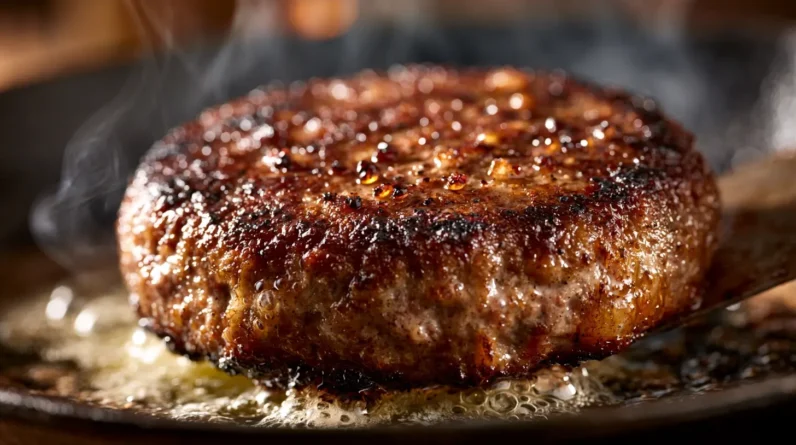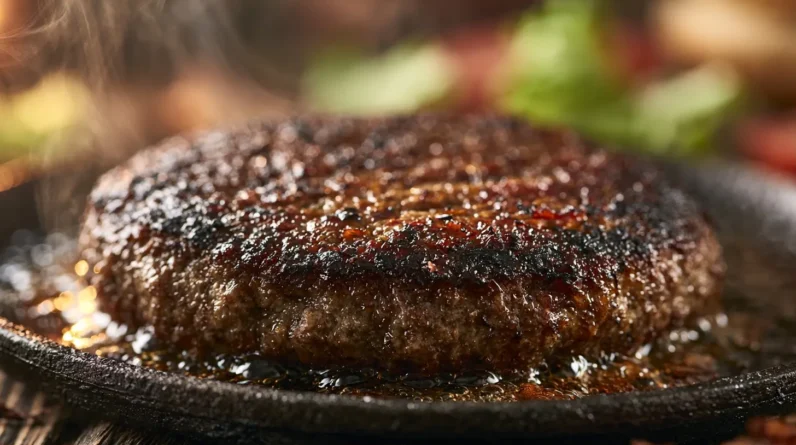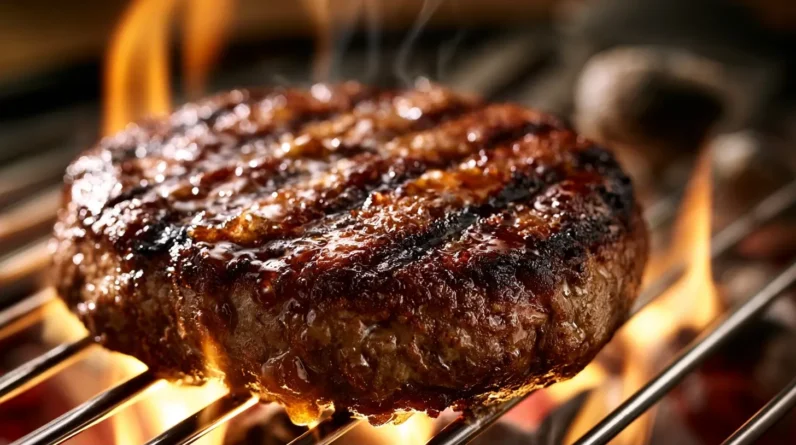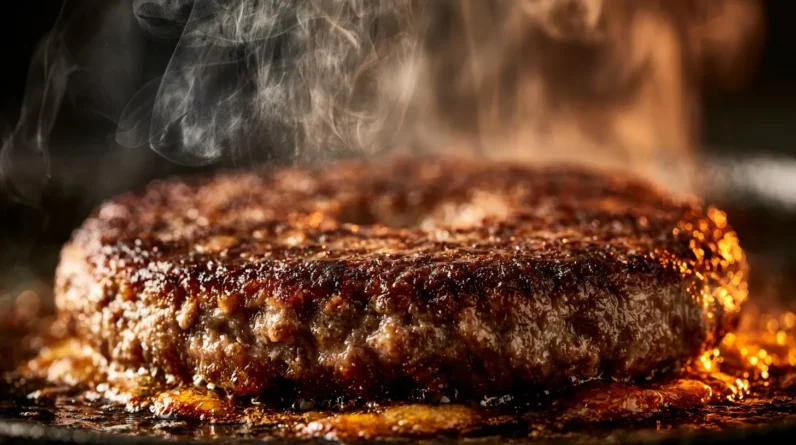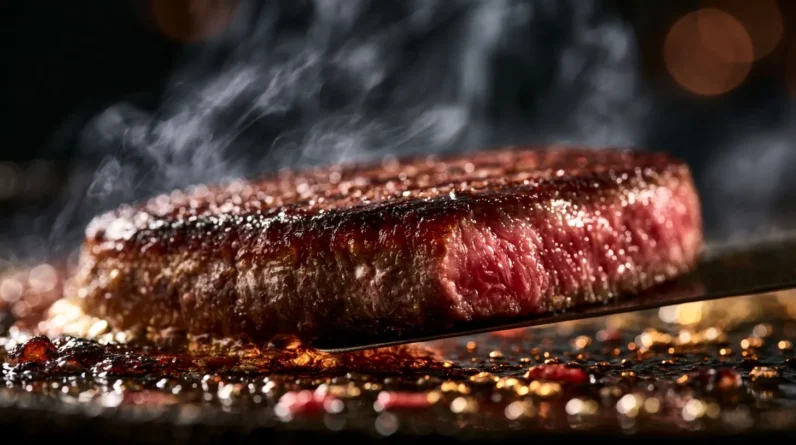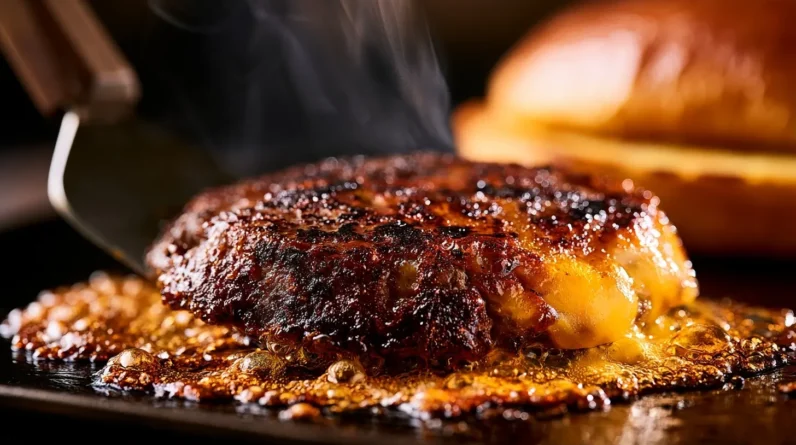



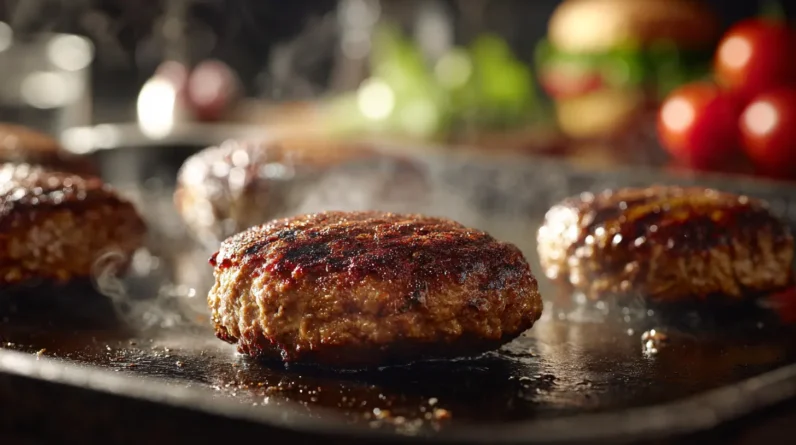
We’ll master beef burgers by selecting ground beef with 15-20% fat and handling patties gently to preserve texture. Preheat cast iron to 375°F, sear patties without moving them for 3-4 minutes per side, and flip only once. Season before cooking, never mid-sear, and use a meat thermometer to hit 130-135°F for perfect medium-rare doneness. Carryover cooking adds another 3-5°F, ensuring juicy results every time. These five methodical techniques transform ground beef into consistently flavorful patties—and there’s much more precision to uncover.
Select the Right Meat: Fat Content and Freshness Matter
We’ll find that the foundation of a perfect beef burger starts with selecting ground beef that contains 15-20% fat by weight—this ratio guarantees adequate moisture and flavor development during cooking while maintaining structural integrity. When choosing lean cuts, we’re targeting chuck or brisket blends that deliver ideal texture without excessive grease. Shopping local sources proves invaluable; direct relationships with butchers enable us to verify grinding dates and fat percentages firsthand. We should request fresh grinds rather than pre-packaged options, as oxidation degrades flavor compounds rapidly. Temperature matters critically—keep meat refrigerated until the moment of preparation. We’ll notice that properly selected beef demonstrates vibrant color, firm texture, and clean aroma, indicating superior quality and freshness essential for burger mastery.
Handle Your Patties Without Overworking the Meat
Once you’ve selected quality ground beef, the next critical step is forming patties with a light touch—overworking the meat compacts the structure, creating dense, tough burgers that lose their juicy character during cooking.
We recommend handling your meat minimally when shaping patties. Use your fingertips rather than your palm, applying gentle pressure to combine ingredients without kneading. Proper patty formation requires just enough manipulation to bind components together while preserving the meat’s natural texture and fat distribution.
Minimize handling pressure by working quickly and deliberately. Divide your ground beef into portions, then gently shape each into a patty roughly three-quarters of an inch thick. We’ve found that practitioners who master this restraint consistently achieve superior moisture retention and a more desirable crumb structure that translates to exceptional burgers.
Achieve the Perfect Sear on Your Cooking Surface
To develop the flavorful crust that distinguishes an exceptional burger, you’ll need a cooking surface that’s preheated to high temperature—ideally 375°F or hotter. We recommend cast iron or stainless steel for superior heat retention and consistent cooking surface performance.
Once your patties contact the heat, don’t move them. This stationary placement allows the Maillard reaction to occur uninterrupted, creating that desirable caramelized exterior. We’ve found that controlled heat application—maintaining steady temperature without fluctuation—prevents moisture loss and guarantees even browning.
Allow 3–4 minutes per side for half-pound patties. Resist the urge to press down; this squeezes out flavorful juices. We monitor internal temperature carefully, targeting 160°F for food safety while preserving juiciness.
Master the Timing and Flipping Strategy
Because burger success hinges on precise timing, we’ll establish a methodical approach that builds on the sear we’ve already achieved. After that initial crust forms—typically 3-4 minutes—we flip once, resisting the urge to press down. This single flip preserves juices and guarantees even cooking throughout the patty’s interior.
Controlling cooking temperature remains critical during this phase. We’re targeting medium-rare at 130-135°F internally, which requires monitoring elapsed time carefully. For a half-pound patty, expect 3-4 additional minutes on the second side, depending on thickness and heat intensity.
Proper seasoning application happens before cooking begins, allowing salt to penetrate deeply. We don’t season mid-cook; this disrupts the crust formation we’ve cultivated. This disciplined timing and single-flip method yields burgers with ideal texture, moisture, and flavor development.
Know When Your Burger Reaches Peak Doneness
How do we comprehend when our burger’s attained its pinnacle? We rely on the ideal internal temperature as our definitive gauge. For medium-rare, we’re targeting 130-135°F at the thickest point. We’ll use a reliable meat thermometer, inserting it horizontally into the patty’s center, ensuring accuracy.
A consistent cooking method yields predictable results. We’ve maintained medium-high heat throughout, allowing the Maillard reaction to develop that essential crust while the interior reaches our target temperature simultaneously.
We’ll remove the burger slightly before hitting our exact target—carryover cooking’ll raise it another 3-5°F. This precision prevents overcooking and guarantees perfect juiciness and texture. We’re not guessing; we’re measuring. This methodical approach eliminates variables, transforming burger preparation into repeatable mastery.
Conclusion
We’ve covered the essential techniques that’ll transform your beef burgers from average to exceptional. Remember, 80% of burger success hinges on meat quality and fat content—that’s why we can’t overstate selecting fresh beef with proper marbling. By respecting your patties, mastering your sear, and nailing your timing, you’re applying the science of heat transfer and Maillard reactions directly to your griddle. These methodical approaches guarantee restaurant-quality results every time.