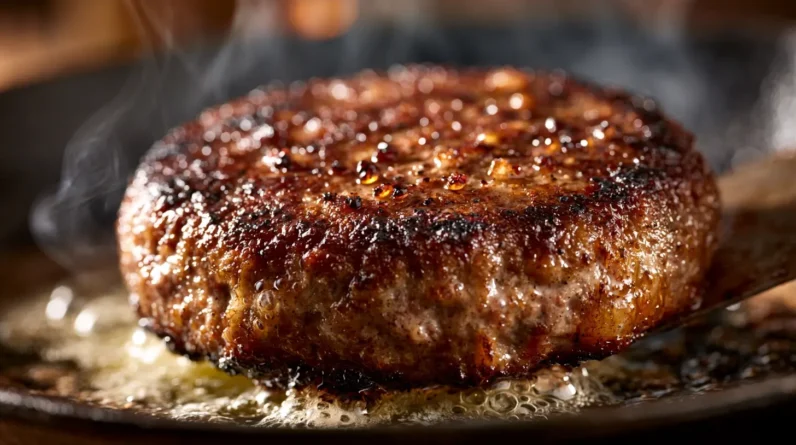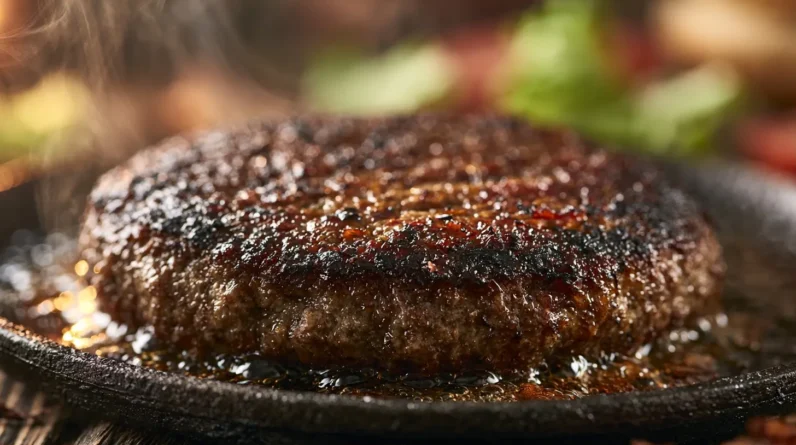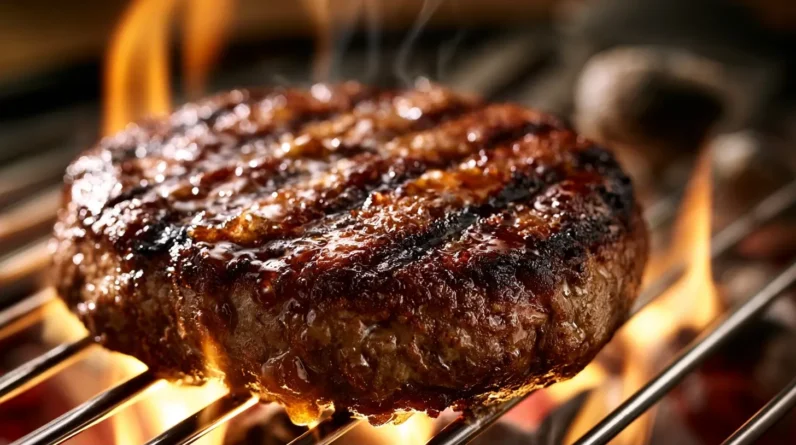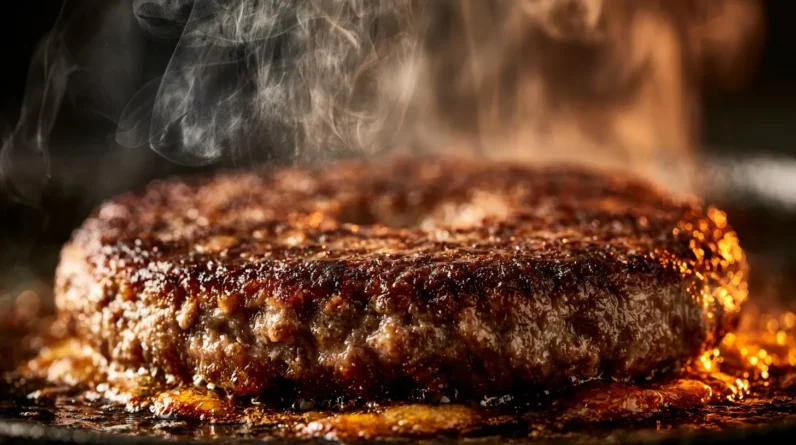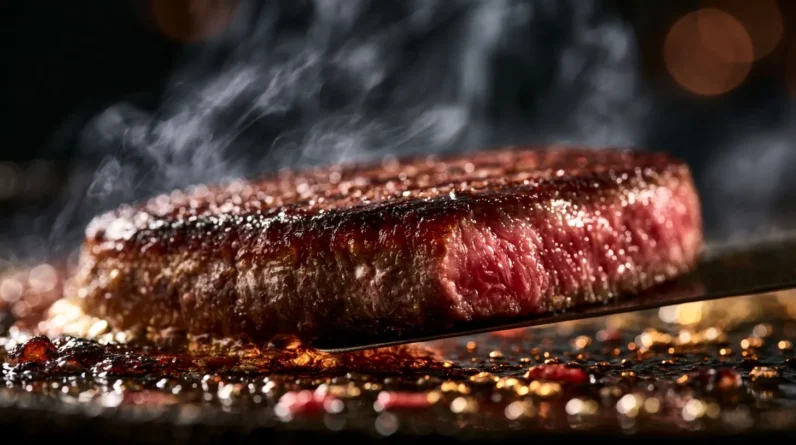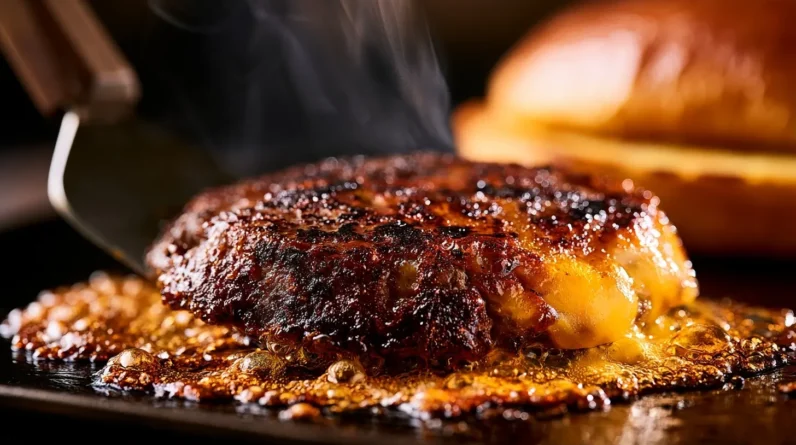



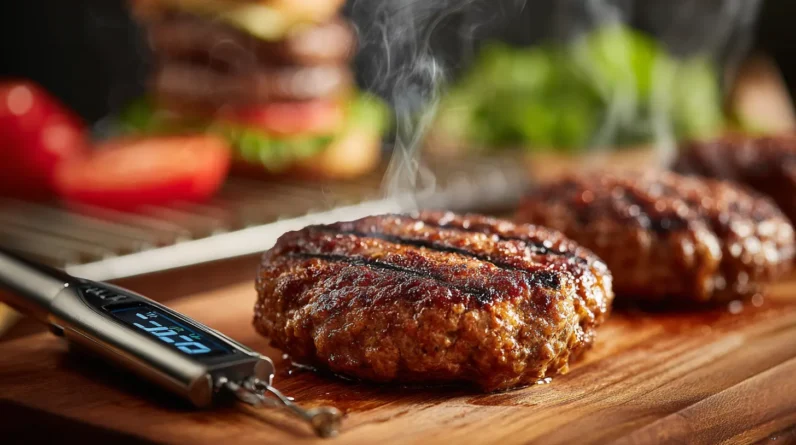
We’ll transform your burgers by selecting ground beef with 15-20% fat content from chuck or chuck-brisket blends. Form patties gently with minimal handling and dimpled centers to prevent bulging during cooking. Cook to medium-rare (130-135°F) using an instant-read thermometer, flipping once midway through. Rest patties for 3-5 minutes under loose foil to allow carryover cooking and muscle relaxation, locking in juiciness. Avoiding common mistakes like excessive pressing and premature salting separates exceptional burgers from ordinary ones, though mastering these techniques requires understanding each phase’s essential role.
Choose the Right Meat Blend and Fat Content
Because fat content directly influences juiciness, flavor, and texture, we’ll want to select ground beef that contains between 15-20% fat by weight. This ideal fat to lean ratio guarantees optimal moisture retention during cooking while preventing excessive shrinkage.
We recommend sourcing chuck or a blend combining chuck with brisket, as these cuts provide superior marbling and flavor complexity. When selecting pre-ground beef, verify the percentage on the label. For maximum control, we can grind our own using proper grinding technique—freezing meat and grinder components beforehand prevents fat from smearing, which compromises texture.
We’ll achieve superior burger construction by keeping ground beef cold until forming patties. This temperature control prevents premature fat breakdown and ensures even cooking, yielding consistently excellent results.
Form Patties That Hold Together on the Grill
Now that we’ve selected our ground beef and kept it properly chilled, we’ll focus on forming patties that won’t fall apart on the grill. Handle your meat minimally to avoid overdeveloping gluten, which compromises texture. We recommend forming patties with consistent patty shape—aim for three-quarter-inch thickness with slightly dimpled centers to prevent bulging during cooking. This patty thickness variation technique accommodates differential heat exposure across the patty surface. Press gently; avoid compacting the meat, which densifies the structure and creates rubbery results. We suggest creating a quarter-inch indent in each patty’s center using your thumb. This depression compensates for expansion, ensuring even cooking throughout. Form patties just before grilling to maintain cold temperatures and structural integrity.
Nail the Temperature and Cooking Time
Once we’ve formed our patties, proper temperature management becomes critical to achieving consistent results. We’ll monitor the ideal internal temperature to safeguard food safety and desired doneness levels. Medium-rare burgers reach 130-135°F, while medium patties hit 135-145°F.
Our optimal cooking duration depends on several factors:
- Patty thickness and diameter directly influence searing time and heat penetration
- Grill temperature consistency prevents undercooked centers or burnt exteriors
- Flip frequency—typically once midway through cooking—ensures even browning and moisture retention
We’re targeting a 3-4 minute per side window for quarter-pound patties on medium-high heat. Using an instant-read thermometer eliminates guesswork, confirming doneness without cutting into the meat. This precision approach guarantees reproducible, restaurant-quality results every time we grill.
Master the Art of Resting Your Burgers
While precise cooking temperatures guarantee our burgers reach peak doneness, we can’t achieve truly exceptional results without allowing them to rest after leaving the grill. Proper resting periods let carryover cooking complete and muscle fibers relax, redistributing juices throughout the patty. We recommend resting burgers for three to five minutes at a suitable resting temperature between 140-145°F. This prevents catastrophic juice loss when we bite into the burger. Place rested patties on a warm plate or cutting board, loosely tented with foil to retain heat without trapping steam that creates soggy buns. This final step transforms a good burger into an exceptional one, ensuring ideal texture and moisture in every bite.
Common Grilling Mistakes and How to Avoid Them
Even seasoned grillers can sabotage their burgers by making preventable mistakes that undermine the meticulous technique we’ve established. We’ll identify critical errors that compromise your results:
- Incorrect seasoning application: Season patties immediately before grilling, not hours ahead. Premature salting draws moisture from the meat, creating a dense, dry texture rather than the desired juicy interior.
- Uneven heat distribution: Position burgers over consistent temperature zones. Rotating excessively or placing patties haphazardly causes inconsistent cooking and prevents proper crust development.
- Excessive pressing: Resisting the urge to flatten burgers preserves essential juices. Pressing releases flavorful moisture, resulting in dry, unappetizing patties.
We’ve mastered proper technique; now we’ll execute flawlessly by avoiding these saboteurs.
Conclusion
We’ve conquered the ultimate burger-grilling trinity: selecting the perfect meat blend, forming structurally sound patties, and executing flawless temperature control. We’ve learned that resting isn’t optional—it’s absolutely transformative, redistributing juices with near-miraculous precision. We’ve obliterated common mistakes that’d otherwise demolish your masterpiece. You’re now equipped with professional-grade techniques that’ll revolutionize every burger you’ll ever sear onto that grill. Your backyard’s about to become legendary.