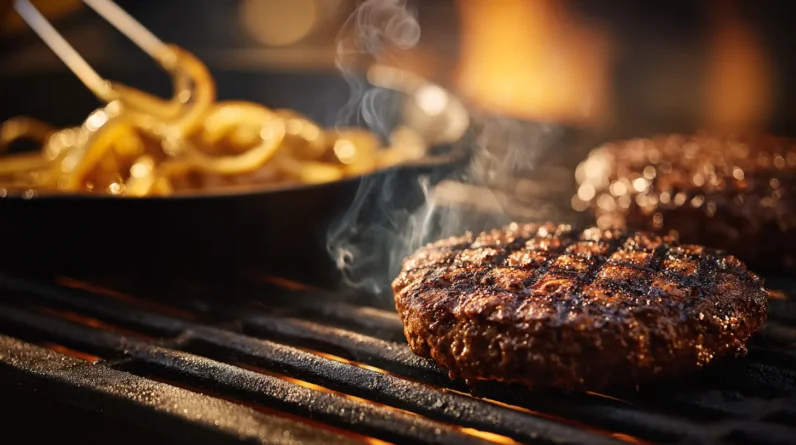



We’ve found that giving picky eaters control transforms burger night completely. Let them build their own burgers at a kid-friendly station with pre-cooked patties, soft buns, and topping options. Use an 80/20 ground beef blend for ideal texture, and involve them in the grilling process with assigned roles. Strategic topping swaps—like caramelized onions and crispy bacon—add appeal without triggering resistance. Simple presentation tricks with toasted buns and vibrant wraps seal the deal. The key’s combining autonomy with texture-smart choices that make everyone win.
Let Them Build Their Own Burger
Control—it’s what picky eaters crave most. We’ve found that letting kids build their own burgers transforms mealtime dynamics. When children assemble their patties, they’re invested in eating them.
Set up a kid-friendly station with pre-cooked patties, soft buns, and toppings in separate bowls. Include classic choices like cheese, lettuce, and tomato alongside adventurous options. We recommend offering mild condiments first, then gradually introducing bolder flavors as their palates develop.
Meanwhile, adults can customize their own gourmet versions with premium toppings and sauces. This dual-track approach means everyone’s satisfied without cooking multiple meals.
The autonomy works psychologically—children who choose their components report higher satisfaction rates and greater willingness to try new ingredients. We’ve observed picky eaters consistently consuming more when they’ve directed the assembly process themselves.
Master the Texture: Finding the Perfect Patty
While kids’ enthusiasm for building their own burgers is half the battle, what they’re building matters just as much. We’ve found that patty composition directly influences whether picky eaters will actually eat their creation.
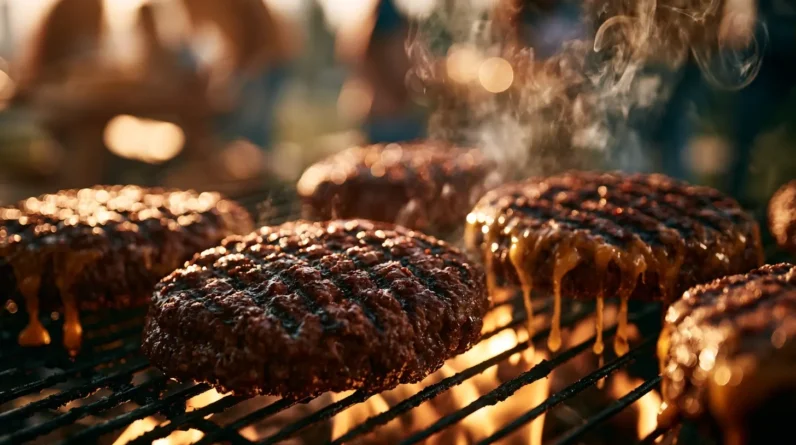
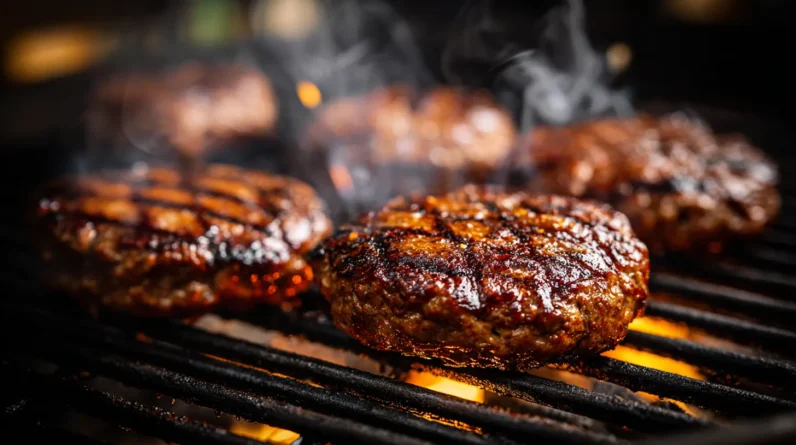
Start with meat selection: an 80/20 ground beef blend provides ideal texture—tender enough for reluctant chewers, yet sturdy enough to hold together. Avoid over-processing the meat; gently form patties with minimal handling to prevent dense, rubbery results that kids reject.
We recommend making patties slightly thinner than restaurant standards, roughly half an inch thick. This creates a higher surface-to-interior ratio, delivering the crispy exterior and juicy center that appeals to texture-sensitive eaters.
Keep patties refrigerated until grilling to maintain structure and guarantee even cooking throughout.
Strategic Topping Swaps and Hidden Additions
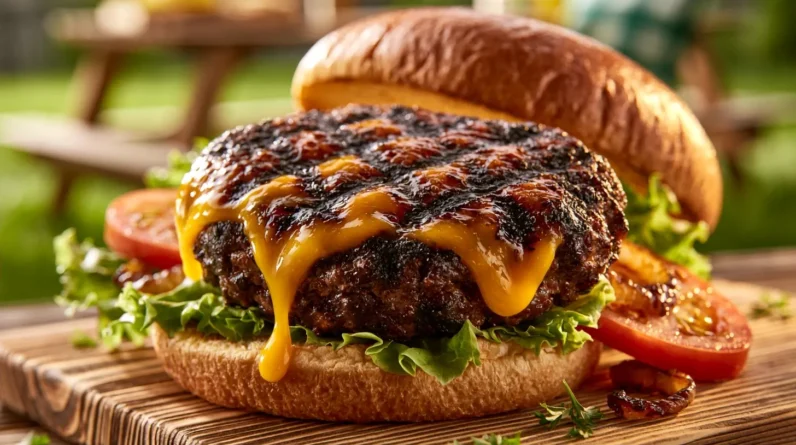
Once you’ve nailed the patty, toppings become your secret weapon for winning over texture-averse eaters. We’ll strategically layer flavor enhancers that mask textures picky eaters reject. Caramelized onions add sweetness without mushiness. Crispy bacon provides textural contrast that engages resistant palates.
Here’s where we get tactical: incorporate nutrient boosters invisibly. Finely minced roasted vegetables blend seamlessly into soft cheese layers. Avocado adds creaminess without detectible “chunks.” We’re basically building familiar comfort while smuggling nutritional value.
Swap traditional tomato slices for tomato jam—concentrated flavor, controlled consistency. Replace lettuce with thinly shaved cucumber for crunch without the leafy texture some kids resist.
We’re not hiding food deceptively; we’re optimizing presentations and preparations our specific eaters’ll actually consume. That’s mastery.
Make Grilling a Family Event
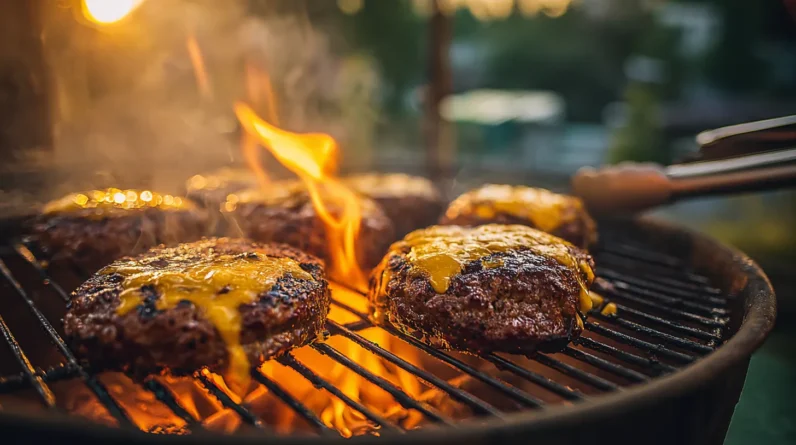
Getting picky eaters invested in the cooking process itself often matters more than perfecting the recipe. When we involve children in outdoor cooking, we’re building confidence alongside culinary skills. Let them assemble patties, select toppings, and manage their own grilling station. This autonomy transforms resistance into enthusiasm.
| Role | Task | Outcome |
|---|---|---|
| Patty Builder | Mix and shape burgers | Ownership of final product |
| Topping Curator | Choose preferred additions | Control over flavors |
| Grill Master | Monitor cooking time | Mastery and pride |
| Taste Tester | Evaluate results | Willingness to eat |
Family bonding deepens when we share responsibilities. We’re not just grilling burgers; we’re creating memorable experiences where picky eaters become invested participants. This collaborative approach consistently increases acceptance and enjoyment of meals we’ve all helped create.
Presentation Tricks That Change Everything
We’ve all witnessed how a burger’s appearance influences whether a picky eater will actually taste it. Strategic presentation removes psychological barriers to eating.
Consider these evidence-based techniques: arrange cheese slices to create visual appeal—overlapping triangles or neat squares signal intentionality. Use burger wraps in vibrant colors or fun patterns; children respond positively to novelty in packaging. Let picky eaters customize their own burger presentation, which increases investment in consumption.
Plate the burger at eye level rather than hovering above the plate. Pair it with colorful sides arranged separately to prevent food touching—a common picky-eater concern. Toast buns lightly for textural contrast and golden appeal.
These presentation strategies leverage psychological principles: visual interest overcomes resistance, autonomy builds confidence, and strategic plating removes anticipated discomfort. Your picky eaters become willing participants.
Conclusion
You might worry that letting kids customize their burgers creates chaos, but research shows choice increases acceptance. When children build their own patties and select toppings, they’re more likely to eat what they’ve created. We’ve found that involving them in the grilling process transforms meals into adventures, not battles. Start small, keep options manageable, and watch picky eaters become enthusiastic participants at your table.