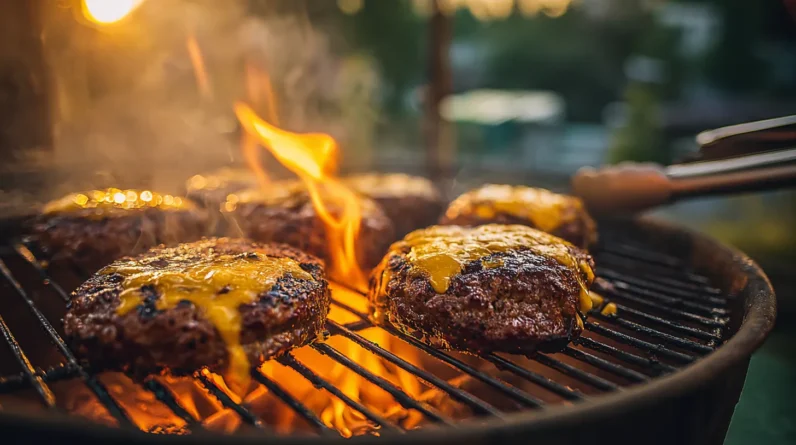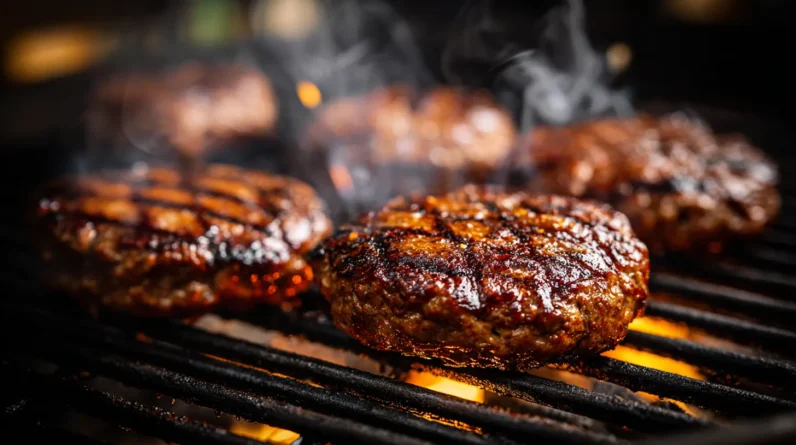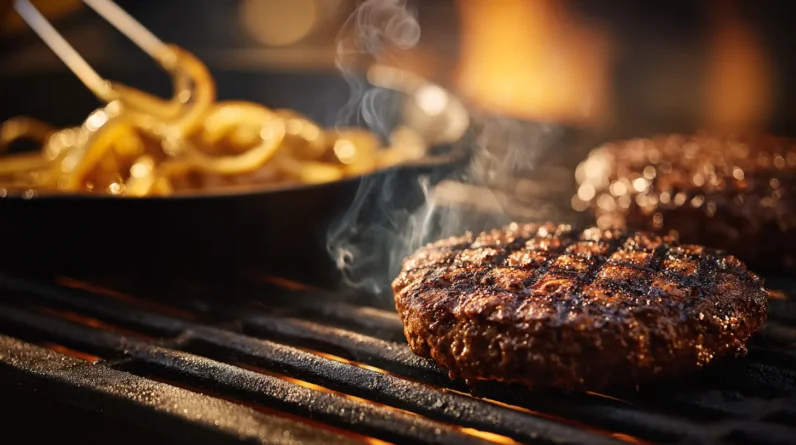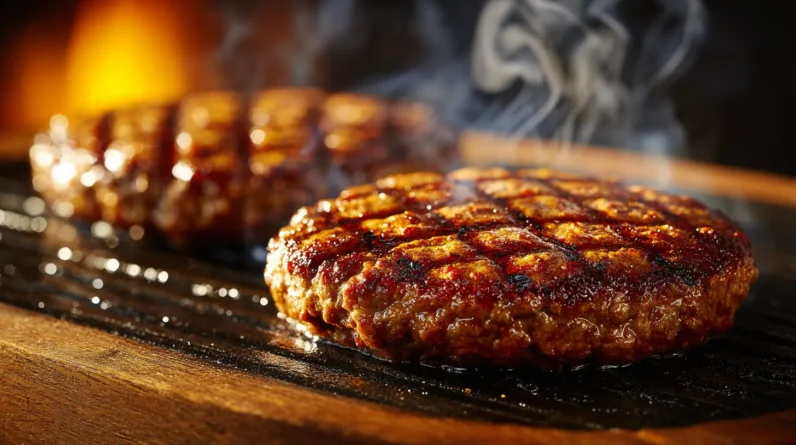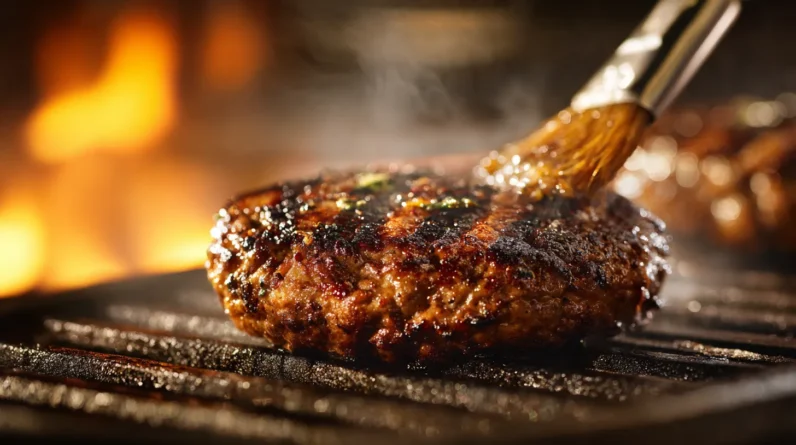



The secret to grilling great burgers isn’t a special sauce or fancy technique — it’s smarter heat control. We need to understand how direct and indirect heat affect our patties differently. High heat sears and builds crust, while indirect heat cooks the interior without burning the outside. Getting this balance right means we’ll never bite into a charred, raw burger again. Stick with us, and we’ll show you exactly how it’s done.
Why Heat Control Makes or Breaks Your Burger
Heat control is the single most important factor in grilling a great burger. Get it wrong, and you’ll end up with a charred exterior hiding a raw center, or a gray, overcooked puck with zero juiciness. Neither outcome is acceptable when you’re chasing mastery.
We’re talking about understanding how direct and indirect heat interact with your patty at every stage of the cook. High heat creates the Maillard reaction—that deeply savory crust we’re after. But sustained high heat destroys moisture and texture. We need both zones working together strategically.
Temperature management separates backyard cooks from serious grillers. Once you internalize how heat behaves across your grill surface, every burger you produce becomes intentional, consistent, and genuinely exceptional.
Direct vs. Indirect Heat: Which One Do You Need?
Direct and indirect heat are the two tools we’ll use to put that heat control theory into practice. Direct heat sits the patty directly over the flame, driving the Maillard reaction and building that essential crust. Indirect heat positions the burger away from the flame, letting ambient convection cook it through without burning.
Here’s when each method wins:
- Direct heat: Searing, crust development, and finishing
- Indirect heat: Thick patties needing internal doneness without char
- Two-zone cooking: Starting indirect, finishing direct for maximum control
- Reverse sear: Starting indirect low-and-slow, then blasting with direct heat
Mastering both zones transforms your grill into a precision instrument. We’re not just cooking burgers—we’re engineering them.
How to Set Up a Two-Zone Grill for Perfect Burgers
Setting up a two-zone grill is simpler than it sounds: push all your coals to one side of the charcoal grill, or turn one burner off on a gas grill, leaving the other side running hot. You’ve now created two distinct cooking environments — a high-heat sear zone and a gentler indirect zone. Start your burgers over direct heat to develop that essential Maillard crust, then slide them to the cooler side to finish cooking without scorching. This method gives you precise control over doneness, eliminating the guesswork that leads to overcooked, dried-out patties. Keep your lid down on the indirect side to trap heat and circulate it evenly. Mastering this setup means you’re no longer reacting to flare-ups — you’re controlling the entire cook.
The Right Internal Temperatures for Juicy, Safe Burgers
Once we’ve got our two-zone setup dialed in, knowing exactly when to pull our burgers becomes the next piece of the puzzle. A reliable instant-read thermometer isn’t optional—it’s essential.
Target these internal temperatures:
- 125°F – Rare, deep red center, maximum juiciness but higher risk
- 135°F – Medium-rare, pink and tender, our sweet spot for flavor
- 145°F – Medium, slightly pink, USDA’s recommended safe threshold
- 160°F – Well-done, fully cooked, noticeably drier texture
We always pull burgers 5°F before our target since carryover cooking finishes the job during resting. Never guess by color alone—myoglobin levels vary across ground beef, making visual cues unreliable. Temperature precision separates competent grillers from truly masterful ones.
Common Heat Mistakes That Dry Out Your Burgers
Even with solid temperature knowledge, a few persistent mistakes can still ruin an otherwise great burger. We see these errors constantly, and they’re avoidable once we recognize them.
| Mistake | What Happens | Fix |
|---|---|---|
| High heat only | Exterior chars before interior cooks | Use two-zone heat |
| Constant flipping | Crust never forms; juices escape | Flip once per side |
| Pressing the patty | Forces moisture and fat out permanently | Never press after searing |
Each mistake triggers moisture loss at the cellular level. When we press or over-flip, we’re actively squeezing out the fat that keeps burgers tender. Mastering heat means controlling when and how we apply it, not just how much.
Frequently Asked Questions
What Type of Wood Chips Enhance Smoky Flavor in Grilled Burgers?
We’ll get the best smoky flavor using hickory, mesquite, applewood, or cherry chips. Hickory delivers bold smokiness, mesquite adds intensity, while applewood and cherry provide sweeter, milder profiles that complement beef beautifully.
Can Frozen Burger Patties Be Grilled Using the Same Heat Techniques?
Yes, we can grill frozen patties, but we’ll need to adapt — think of it as a two-zone dance: start low and indirect to thaw, then blast high heat to sear perfection.
How Does Burger Thickness Affect Overall Grilling Time and Heat Management?
Thickness directly controls your heat strategy. We recommend thicker patties need lower, slower indirect heat to cook through without burning, while thin patties handle high direct heat quickly—always adjust zones accordingly.
Should Burgers Be Seasoned Before or After Reaching Proper Grill Temperature?
Sure, let’s season cold patties and toss them on a lukewarm grill — if mediocrity’s your goal. We recommend seasoning just before placing burgers on a fully preheated grill, ensuring the crust forms immediately, locking in bold, complex flavors.
What Grill Grate Material Conducts Heat Most Effectively for Burger Cooking?
Cast iron conducts heat most effectively for burger cooking. We recommend it because it retains and distributes heat evenly, creating that perfect sear we’re after. Stainless steel’s a solid runner-up, but cast iron’s superior thermal mass wins every time.
Conclusion
We’ve covered everything from two-zone setups to nailing that perfect internal temperature. Now put it into practice. Imagine firing up your grill this weekend, using indirect heat to slowly build your patty’s core temperature, then searing it over direct flame for that perfect crust. Your guests bite in and ask, “How’d you do that?” You’ll know exactly why it worked — smarter heat techniques make all the difference.