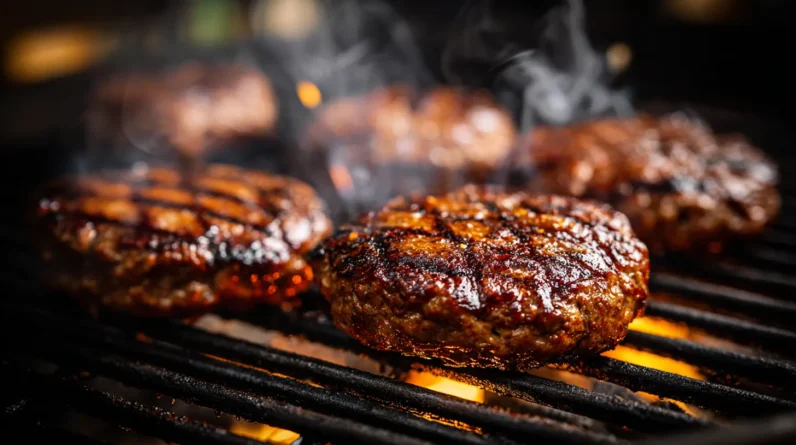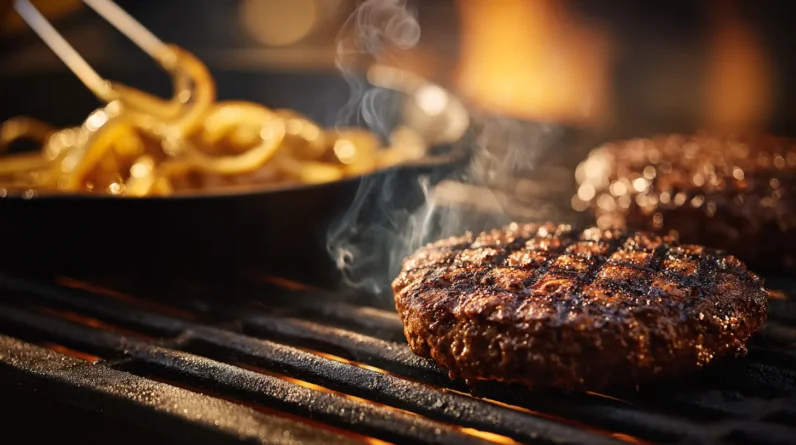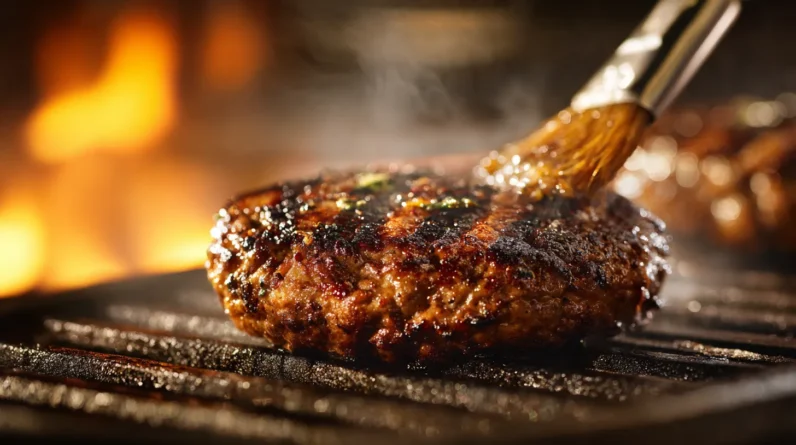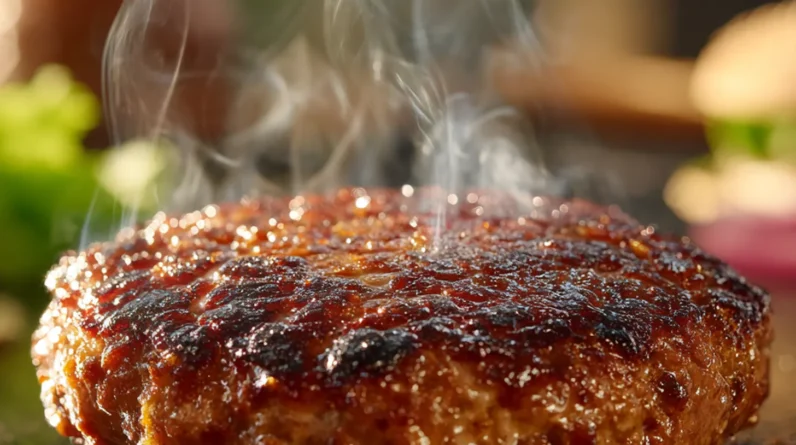



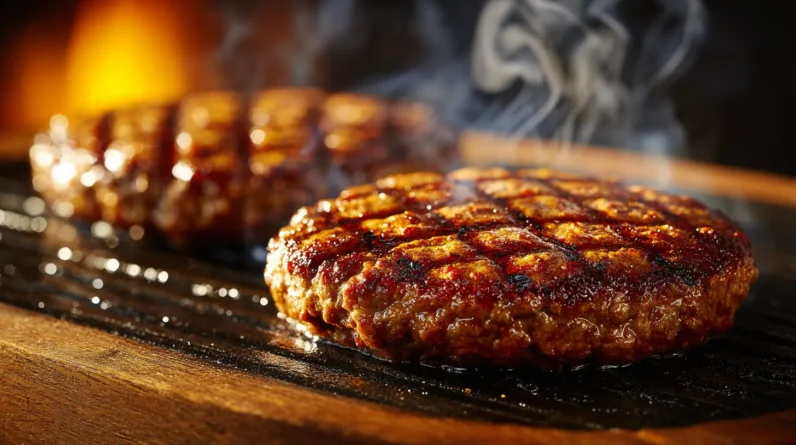
For the juiciest grilled burgers with a better crust, we recommend starting with an 80/20 meat-to-fat blend and shaping patties gently with a thumbprint indent in the center. Preheat your grill to 450°F–500°F, then let the patty cook undisturbed until a crust naturally releases before flipping just once. Never press or smash it. Always rest your burger on a wire rack after cooking. Keep going, and we’ll walk you through every technique in detail.
The Right Meat-to-Fat Ratio for a Juicy Grilled Burger
When it comes to grilling burgers, the meat-to-fat ratio is everything. We recommend an 80/20 blend — 80% lean beef to 20% fat. That fat isn’t just flavor; it’s the moisture that keeps your burger from drying out over high heat. Drop below 20% fat, and you’ll get a dense, chalky patty that no sauce can rescue.
Chuck is our go-to cut because it naturally hits that 80/20 sweet spot. If you’re grinding your own beef, consider blending chuck with short rib or brisket for deeper complexity. Avoid extra-lean ground beef entirely — it’s a grilling liability.
How to Shape Patties That Hold Together on the Grill
Once you’ve nailed the right fat ratio, shaping your patties correctly is what keeps them from falling apart or puffing into meatballs on the grill. We recommend portioning 6 to 8 ounces per patty, then gently forming each one without overworking the meat. Compression tightens the protein structure, producing a dense, rubbery texture instead of a tender bite.
Keep the patty edges slightly thicker than the center to counteract shrinkage, and press a shallow thumbprint indent into the middle. That dimple prevents the patty from doming as internal pressure builds during cooking.
Chill your shaped patties for at least 20 minutes before grilling. Cold fat holds its structure better under heat, giving you a patty that stays intact from grill to bun.
Getting the Grill Temperature Right for a Better Crust
With your patties chilled and ready, grill temperature becomes the next variable that makes or breaks a good crust. We’re aiming for high heat—around 450°F to 500°F—because that range drives the Maillard reaction, converting surface proteins and sugars into that deeply browned, flavorful crust we’re after.
A grill running too cool steams the patty instead of searing it, leaving you with gray, soft exteriors and lost flavor. We recommend preheating for at least 10–15 minutes with the lid closed, then testing with a hand hover—you shouldn’t hold your palm above the grate longer than two seconds.
For charcoal grills, establish a two-zone fire. This lets us sear over direct heat and finish over indirect heat without burning through the exterior before the center cooks.
Should You Smash, Press, or Leave Your Burger Alone?
Now that the grill is screaming hot, how you handle the patty during cooking determines whether you maximize crust or waste it. Smashing works brilliantly on a flat-top or cast-iron griddle, forcing maximum meat-to-surface contact. On grill grates, however, smashing pushes fat through the grates and onto the flames, robbing you of flavor and moisture.
Pressing mid-cook shares the same flaw—it squeezes out precious juices, leaving you with a dry, dense patty regardless of how good your crust looks.
The right move on a grill is simple: place the patty down, don’t touch it. Let the Maillard reaction build undisturbed. Flip once when a deep brown crust releases naturally. Trust the heat, resist the urge to press, and you’ll get both crust and juiciness.
The Resting Step That Locks In Burger Juiciness
Getting the crust right and keeping the patty juicy doesn’t end at the flip—it ends at the rest. When we pull burgers off the grill, cutting in immediately bleeds the juices out. Resting redistributes them evenly.
| Patty Thickness | Rest Time | Covered or Open |
|---|---|---|
| ¼ inch | 1 minute | Open |
| ½ inch | 2 minutes | Loosely tented |
| ¾ inch | 3 minutes | Loosely tented |
| 1 inch | 4 minutes | Loosely tented |
| 1¼ inch | 5 minutes | Loosely tented |
Tenting with foil traps steam, which softens crust—so we keep the tent loose. Resting on a wire rack instead of a plate prevents the bottom crust from turning soggy. Master this step and every burger we serve stays both crisp and succulent.
Frequently Asked Questions
What Toppings Complement a Grilled Burger’s Crust and Juicy Texture?
We recommend sharp cheddar, caramelized onions, and crispy bacon to amplify the crust’s smokiness. Add tangy pickles and aioli to contrast the juiciness, creating a perfectly balanced bite that elevates every layer.
Can Frozen Burger Patties Achieve the Same Crust as Fresh Ones?
Frozen patties can’t quite match fresh ones’ crust. We’ve found excess moisture from thawing inhibits the Maillard reaction. For ideal results, thaw completely, pat dry, and season aggressively before hitting high heat.
Which Type of Grill, Gas or Charcoal, Produces Better Burger Results?
Like a blacksmith’s forge versus a lighter flame, we’ll tell you charcoal wins. It delivers superior smoky complexity and intense radiant heat that creates a more flavorful, deeply caramelized crust you simply can’t replicate with gas.
How Do You Prevent Burger Patties From Sticking to Grill Grates?
We’ll prevent sticking by preheating grates until smoking hot, then oiling them with a high smoke-point fat like canola. Don’t flip prematurely—patties release naturally once they’ve developed a proper crust.
What Buns Hold up Best Against a Juicy Grilled Burger?
Why settle for a soggy bun? We recommend brioche or potato rolls—they’re dense enough to absorb juices without disintegrating. Toast them directly on the grill to create a barrier that locks structural integrity while complementing your burger’s crust.
Conclusion
We’ve covered everything from fat ratios to resting time, and now you’ve got the tools to grill burgers that are genuinely worth bragging about. As they say, good things come to those who wait — and that includes letting your patty rest before biting in. Follow these techniques, trust the process, and we’re confident every burger you pull off that grill will deliver the crust and juiciness you’ve been chasing.