



We’ll stop your chicken burger patties from falling apart by combining five essential techniques. First, use one egg per pound of ground chicken mixed with breadcrumbs in a 1:4 ratio to bind proteins effectively. Select ground chicken with 15-20% fat content—thigh meat works best—since fat acts as both binder and moisture reservoir. Handle the mixture minimally to preserve structure, then refrigerate formed patties for thirty minutes before cooking at medium heat. Finally, rest cooked patties briefly so moisture redistributes throughout. Master these fundamentals, and you’ll discover the specific ratios and methods that transform your technique.
Use Binders to Hold Your Patties Together
Because ground chicken lacks the fat content and connective tissue found in beef, we need binders to prevent our patties from falling apart during cooking. Egg binders work by coagulating proteins that cement the meat structure together. We’ll combine one egg per pound of ground chicken with breadcrumb mixers—typically panko or standard breadcrumbs—which absorb moisture and stabilize the mixture. The breadcrumbs create a matrix that redistributes binding proteins throughout the patty, ensuring even distribution and preventing weak spots.
We recommend using a 1:4 ratio of egg to breadcrumbs by volume. This proportion provides sufficient binding without creating a dense, cake-like texture. Mix these components gently but thoroughly, working until just incorporated. Over-mixing develops gluten networks in the breadcrumbs, resulting in tough patties that lack desirable tenderness during cooking.
Choose Ground Chicken With the Right Fat Content
Fat content fundamentally determines whether our chicken burgers’ll stay moist and flavorful or turn dry and stringy. We’re targeting ground chicken with 15-20% fat content—this ratio optimizes meat quality and structural integrity during cooking.
Chicken selection matters substantially. Ground thighs contain more fat than breast meat, providing superior binding properties and moisture retention. We’re avoiding ultra-lean options below 10% fat, which produce dense, crumbly patties prone to disintegration.
We’re examining labels carefully, as fat percentages vary considerably between suppliers. Premium meat quality sources typically provide consistent ratios. The fat acts as both a binder and moisture reservoir, allowing our patties to withstand high-heat cooking without fragmenting.
This strategic fat selection complements our binder strategy, creating patties with excellent structural stability and desirable texture.
Don’t Overwork the Meat When Forming Patties
Once we’ve selected our ground chicken, we’re careful not to overwork the meat during patty formation—excessive handling damages the protein structure and disrupts the fat distribution we’ve carefully chosen. We handle the mixture minimally, using gentle motions to combine ingredients just until they’re incorporated. Overworking compacts the meat, creating dense patties that’ll cook unevenly and crumble during flipping. We work with cold ground chicken, maintaining proper meat temperature throughout patty formation to preserve fat integrity. Our technique involves light hands and swift movements. We form patties quickly, then refrigerate them before cooking. This restraint guarantees our burgers retain moisture, achieve ideal texture, and hold together on the grill or skillet. Precision in handling transforms patty formation from a potential failure point into a success factor.
Cook Low and Slow to Prevent Drying Out
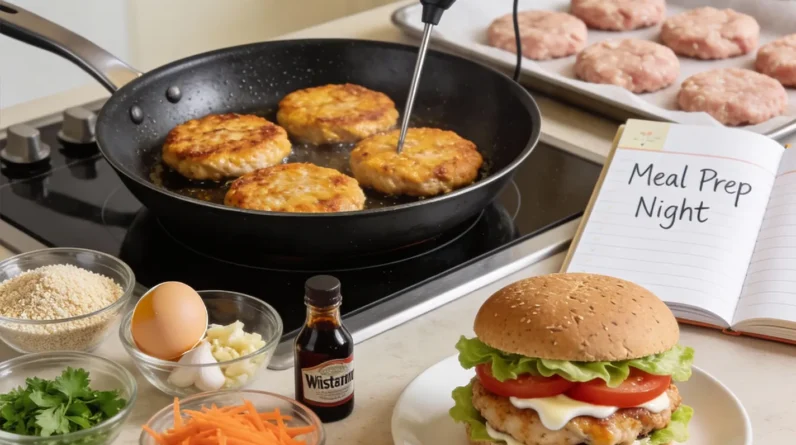
Proper patty formation sets us up for success, but how we cook those burgers determines whether they’ll stay juicy or dry out on us. We’ll achieve prime results by applying gentle heat at medium or medium-low temperatures, typically 325–350°F. This approach allows proteins to denature gradually while retaining moisture throughout the patty’s interior. We’re targeting an internal temperature of 165°F, which we’ll reach faster with even cooking than with high-heat searing. Using a meat thermometer guarantees precision—we’ll avoid the guesswork that leads to overcooked, rubbery textures. Medium-heat cooking also prevents exterior charring before the center fully cooks. We should flip only once, roughly halfway through, maintaining consistent temperature distribution. This methodical approach transforms chicken burgers from potentially dry disappointments into reliably tender, flavorful patties.
Let Your Patties Rest Before and After Cooking
While we’ve mastered the cooking technique, we’ll reveal another critical factor in achieving juicy chicken burgers: strategic resting periods.
Before cooking, let your patty formation sit refrigerated for at least thirty minutes. This allows the binder and seasonings to fully integrate, stabilizing the structure and preventing disintegration during cooking.
Post-cooking, meat resting proves equally essential. Remove patties from heat and let them rest for five minutes before serving. During this period, residual heat continues gentle carryover cooking while muscle fibers relax, redistributing moisture throughout the patty rather than forcing it outward.
We’ve found that skipping either resting phase compromises texture and juiciness substantially. These intervals aren’t optional—they’re fundamental to burger integrity and palatability.
Frequently Asked Questions
What’s the Best Way to Season Chicken Burger Patties Without Making Them Fall Apart?
We’ll season chicken patties by mixing dry chicken seasoning directly into ground meat with binding agents like breadcrumbs and egg. This approach distributes flavors evenly while patty binding ingredients prevent structural breakdown during cooking.
Can I Prepare Chicken Burger Patties in Advance, and How Should I Store Them?
We recommend refrigerating patties up to 24 hours on parchment-lined trays, or freezing them individually on sheet pans before vacuum-sealing. These freezing methods preserve structural integrity better than direct contact storage.
Which Cooking Method Works Best: Grilling, Pan-Frying, or Baking Chicken Burgers?
We’ve found grilling excels when you’ll maintain grill temperatures between 375-400°F, ensuring smoke control prevents charring. Pan-frying offers superior moisture retention. Baking suits batch preparation, though it lacks the desirable crust grilling delivers.
How Do I Know When My Chicken Burger Is Fully Cooked Inside?
We’ve watched countless patties fail because cooks guessed doneness. Use a meat thermometer—insert it horizontally into the center until it reads 165°F. This cooking technique guarantees food safety through precise measurement, not intuition.
What Toppings and Buns Pair Best With Homemade Chicken Burgers?
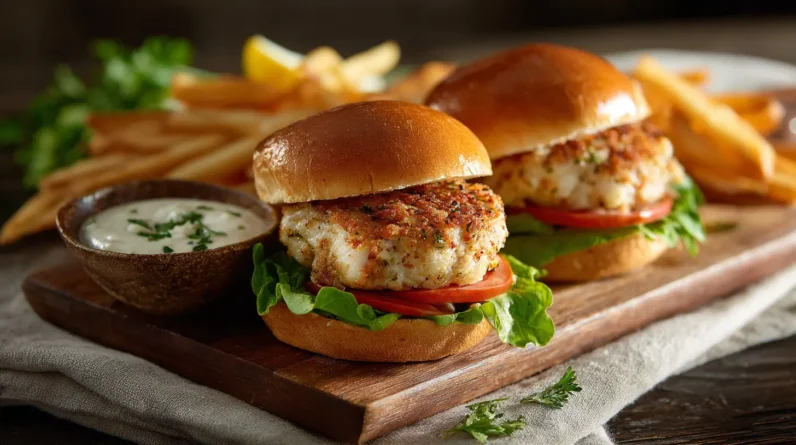
We recommend brioche buns for their structural integrity and richness. Pair them with sauce varieties like sriracha mayo or Greek yogurt-based preparations. These complement lean poultry’s subtle flavor profile while stabilizing your patty structurally.
Conclusion
We’ve learned that crafting resilient chicken burgers mirrors building a sturdy foundation—binders cement structure, proper fat content acts as mortar, and restraint prevents collapse. Low-temperature cooking preserves moisture like careful climate control, while resting periods allow proteins to set, creating stability. By respecting these principles, we’re not simply assembling ingredients; we’re engineering culinary architecture that holds firm from skillet to plate.